


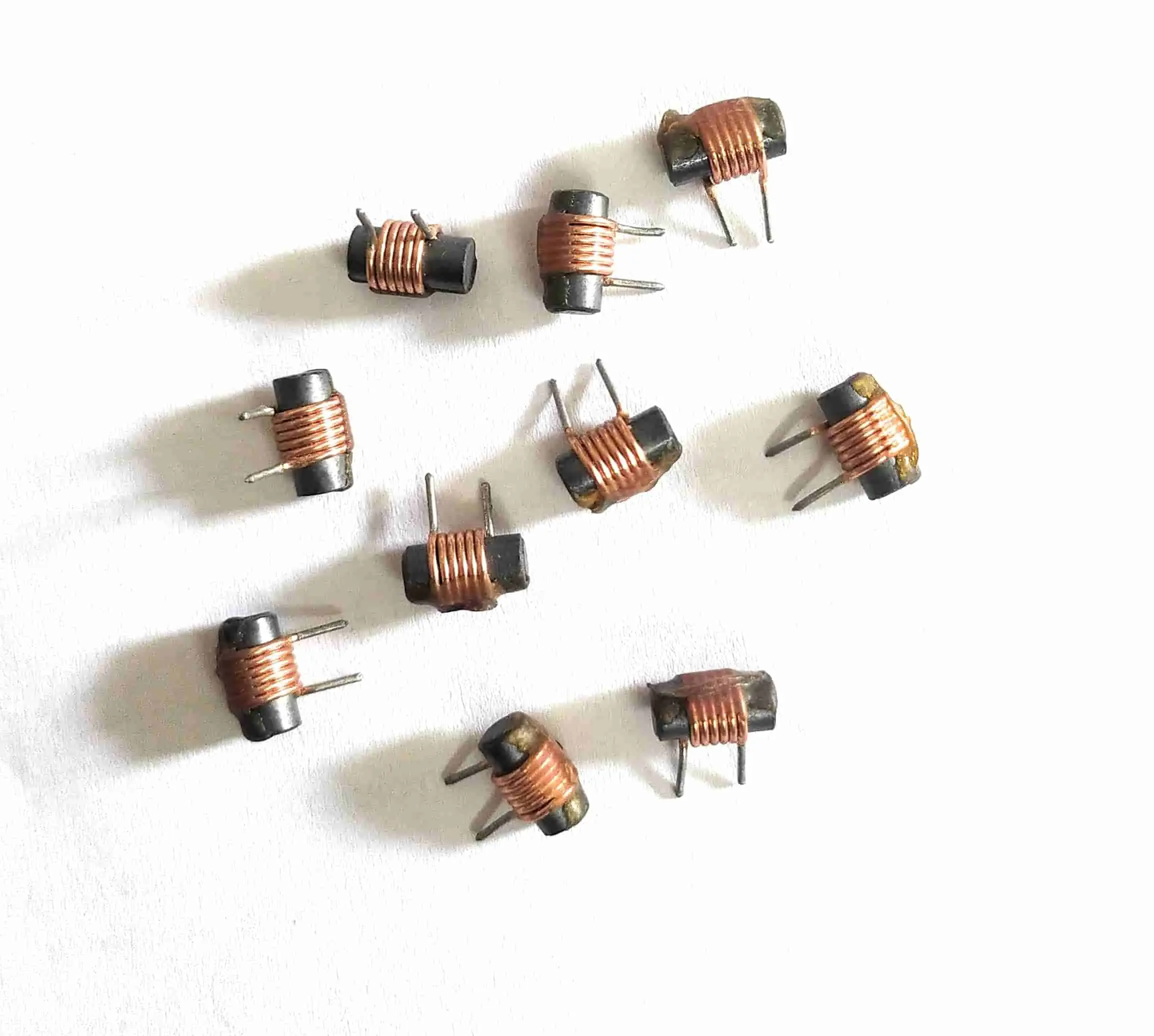

Magnetic Components for Power Electronics
Explore magnetic components in power electronics, including transformers, inductors, and chokes, with key functions, applications, and design factors.


Winding machines are at the core of modern energy storage systems, playing a vital role in producing high-quality inductor coils that enable efficient energy storage and conversion.
These machines are essential in applications such as renewable energy systems, electric vehicle charging, and grid management, where precision and reliability are crucial.

In this article, we’ll explore the importance of winding machines in solar and wind power, electric transportation, and sustainable energy grids.
By improving energy efficiency and ensuring system stability, winding machines are driving innovation in energy storage, paving the way for a cleaner and more sustainable future.

Energy storage winding machines are critical devices in the renewable energy and power electronics industries.
They perform a dual role: producing inductor coils and enabling energy conversion.
These machines are at the heart of modern energy storage systems, ensuring efficient and stable performance for a wide range of applications.
The core function of a winding machine is to precisely wind wire around a frame to create inductor coils, which are essential for energy storage and conversion.
Using advanced control systems, the machine manages critical parameters like wire tension, transmission speed, coil spacing, and the number of layers.
The resulting coils exhibit excellent electromagnetic properties and stability, ensuring optimal energy storage and conversion capabilities.
In energy storage systems, these inductor coils play a key role in improving system performance.
For example, in solar and wind energy setups, the coils help manage energy flow, converting DC power to AC for immediate use or storing excess energy for later.
This precision not only enhances the efficiency and reliability of energy systems but also supports the growing demand for sustainable energy solutions.
With their ability to integrate seamlessly into renewable energy systems, energy storage winding machines are paving the way for a more efficient and reliable power future.
Winding machines are the backbone of energy storage manufacturing, designed to handle various tasks such as winding coils, transformers, and electromagnetic components.
Depending on the application, these machines can be manual, semi-automatic, or fully automatic, with varying motor capacities (medium-duty or heavy-duty) to meet energy storage demands.
Below, we’ll explore the types of winding machines commonly used in energy storage and their specific applications.

Motor winding machines are crucial for producing the coils that generate a magnetic field in electric motors. These machines are used in AC and DC motors, with differences in how the magnetic field and armature interact:
Motor winding machines are commonly used in industries such as automobile manufacturing and aerospace engineering, where precise and durable motor coils are essential for mechanical equipment.

Inductor winding machines are used to produce inductor coils that regulate voltage, resistance, and inductance in electrical circuits.
These machines can handle materials like copper or aluminum and produce a range of inductors, from small SMD inductors to larger stator coils.

Transformer winding machines use a ferromagnetic core to wind wires for producing both low-voltage and high-voltage transformers.

These machines are designed for electromagnetic coil winding, which is essential in generators, motors, and transformers.
They are also used in smaller devices like microphones.
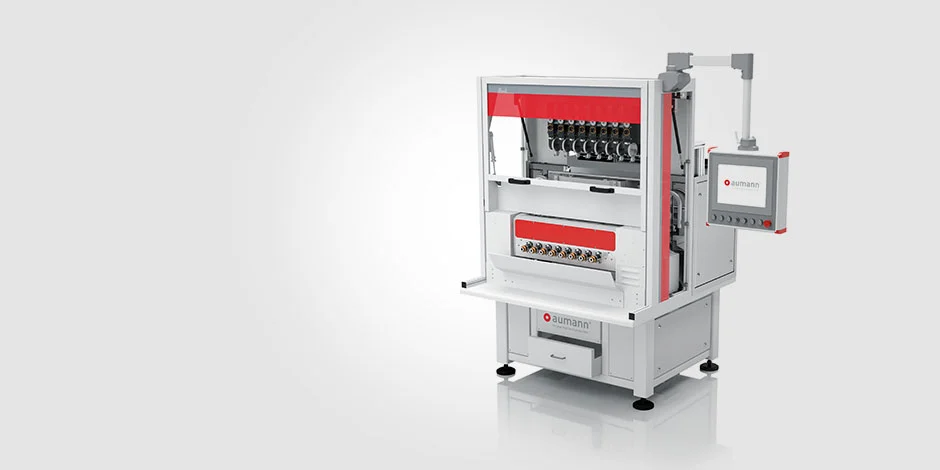
Linear winding machines are known for their energy efficiency and long operational life.

Turret winding machines are ideal for operations requiring multiple rewinds with minimal downtime.

Drum winding machines are equipped with spindles and winding drums that rotate to wrap materials efficiently.
Each type of winding machine offers unique features and capabilities tailored to specific needs.
For example:
With such versatility, winding machines are critical in producing the components necessary for efficient energy storage, helping industries meet the growing demand for renewable energy and sustainable solutions.
Whether you’re manufacturing for solar power, wind energy, or electric vehicles, selecting the right type of winding machine is key to ensuring reliable performance and long-term success.

To understand how energy storage winding machines work, let’s first explore their key components.
These machines are composed of several critical parts:

Modern winding machines, especially fully automatic models, streamline the production process with incredible precision and speed.
Here’s how they work:
What makes these machines truly remarkable is their integration of automation and intelligent systems.
Advanced sensors and controls enable precise alignment, tension regulation, and quality checks, all while reducing errors and improving production efficiency.
Fully automatic winding machines save time, lower costs, and deliver consistent, high-quality results—making them indispensable in energy storage and renewable energy applications.

Energy storage winding machines play a critical role in the advancement of renewable energy systems.
Their ability to produce precision inductor coils ensures efficient energy storage and conversion across various applications.
Let’s explore how they contribute to some of the most important renewable energy systems today.
In solar power setups, energy storage winding machines enable DC to AC conversion through inductor coils within energy storage inverters.
This ensures that solar-generated energy can be used in homes and industries.
Additionally, these machines support storing excess energy in batteries, which can be used during nighttime or emergencies, ensuring a stable power supply.
In wind power generation, these machines help convert and stabilize energy produced by wind turbines.
By ensuring precise inductor coil performance, they improve the reliability and efficiency of wind power systems, even in fluctuating wind conditions.

Energy storage winding machines are vital for EV charging infrastructure.
They facilitate efficient charging by converting AC power from the grid into DC power for EV batteries.
They also assist in converting stored DC power back to AC for vehicle operations, making charging faster and more reliable.
In microgrids, winding machines enhance grid reliability by optimizing energy storage and distribution.
They also support peak shaving, where excess energy is stored during low demand and released during peak hours, ensuring a stable energy supply.
During outages or grid failures, energy storage systems powered by precision inductor coils provide stable and reliable backup power, ensuring the continuous operation of critical devices and systems.
Energy storage winding machines are powered by advanced technologies that ensure precise, efficient, and consistent operation.
These technologies are what make these machines indispensable in renewable energy systems and energy storage applications.

One of the critical features of winding machines is their tension control system, which ensures that the wire maintains consistent tension throughout the winding process.
Precise tension is essential for creating high-quality inductor coils that deliver optimal electromagnetic performance.
By regulating tension, these systems prevent defects like loose or overly tight windings, ensuring consistent results every time.
Sensors are the backbone of precision and reliability in energy storage winding machines.
Here are the key types and their roles:
These sensors work together to ensure that every component operates seamlessly, guaranteeing the production of high-quality inductor coils.
The integration of fully automatic systems in winding machines is a game-changer for production efficiency.
Automation not only speeds up the workflow but also ensures that every step—from feeding materials to winding and final assembly—is performed with pinpoint accuracy.
This consistency improves product quality and reduces production costs, making automated systems an essential feature for modern energy storage winding machines.

Energy storage winding machines offer numerous advantages, making them indispensable in modern power and renewable energy systems.
First, they improve energy storage efficiency and system reliability.
By producing high-quality inductor coils with consistent tension and precision, these machines enhance the performance of energy storage systems, ensuring stable and efficient energy conversion.
This reliability is critical for renewable energy systems like solar and wind power, where consistent performance is a must.
Second, winding machines help reduce production costs through automation.
Fully automatic systems streamline the production process, minimize human error, and boost productivity.
This efficiency lowers overall manufacturing expenses while maintaining high-quality standards.
Lastly, these machines enhance the precision and quality of inductor coils.
Advanced control systems and sensor integration ensure that every coil is produced with exact specifications, leading to better electromagnetic performance and durability.

The future of energy storage winding machines is incredibly promising, driven by the growing demand for renewable energy solutions.
As more industries adopt solar and wind power, the need for high-performance winding machines to support energy storage and conversion will only increase.
These machines are expected to play a critical role in ensuring the efficiency and reliability of renewable energy systems.
Advancements in power electronics technology are unlocking new possibilities for winding machines.
Innovations in automation, sensor integration, and design optimization will make these machines more efficient, compact, and versatile.
These improvements will further enhance their ability to support electric vehicle charging infrastructure and grid management systems, making them indispensable in the transition to sustainable energy.
In the coming years, energy storage winding machines will remain at the forefront of energy innovation, contributing significantly to the development of a greener and more sustainable future.

Energy storage winding machines are essential in renewable energy and sustainable technologies, ensuring efficiency, reliability, and precision in energy storage and conversion.
Their role in powering systems like solar, wind, electric vehicles, and grid management makes them indispensable for driving innovation and stability in modern energy solutions.
Ready to take advantage of cutting-edge energy storage solutions?
Leverage the power of advanced winding machines to enhance efficiency, reduce costs, and support sustainability.
Contact us today to explore how these technologies can transform your renewable energy projects!
Winding machines come in various types to meet specific industrial needs:
Winding machines offer several benefits that make them indispensable:
Winding machines are critical in producing inductor coils used in solar and wind power systems.
These coils enable efficient energy conversion, storage, and distribution, supporting the stable operation of renewable energy systems and electric vehicle charging infrastructure.


Explore magnetic components in power electronics, including transformers, inductors, and chokes, with key functions, applications, and design factors.

Optimize high-frequency transformer windings with better wire selection, winding layout, insulation, and parasitic-loss control.
Discover top coil winding machine manufacturers, from CNC and bench-top models to industrial systems, with key features and buying tips.

Discover how transformer winding types and working principles influence voltage regulation, efficiency, energy transfer, and transformer performance.

Compare toroidal and E-I transformers by efficiency, noise, size, cost, EMI, inrush current, and applications to find the right choice.

Master coil winding machine operation with practical tips on setup, tension control, programming, safety, maintenance, and precise, efficient winding.
 English
  Spanish
  Russian
  Italian
  German
  Chinese