


Coil winding is at the heart of motors, transformers, and countless modern electronic devices. As industries demand higher efficiency, compact designs, and stronger performance, the pressure is on manufacturers to innovate both in materials and winding technologies.
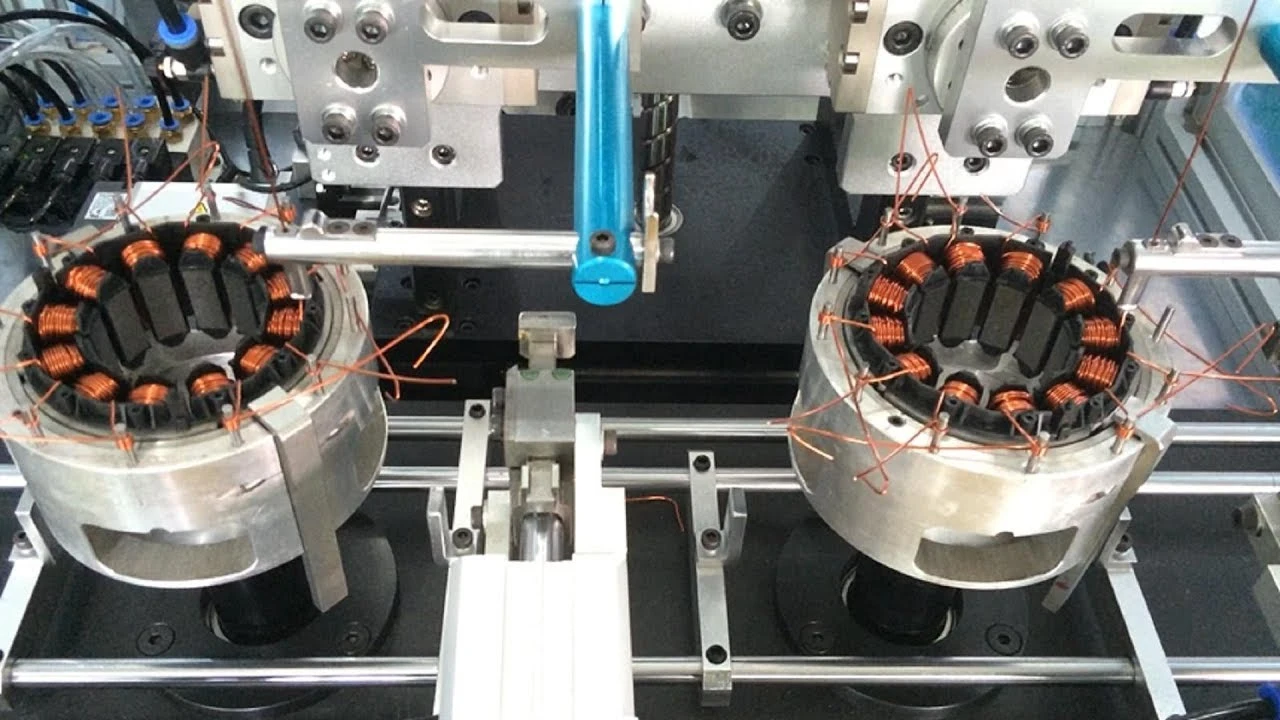
From automation to AI and sustainability, this article explores the key trends shaping the future of coil winding—and how staying ahead of them can give manufacturers a competitive edge in today’s fast-moving market.
Automation: Increasing Speed, Accuracy, and Scalability
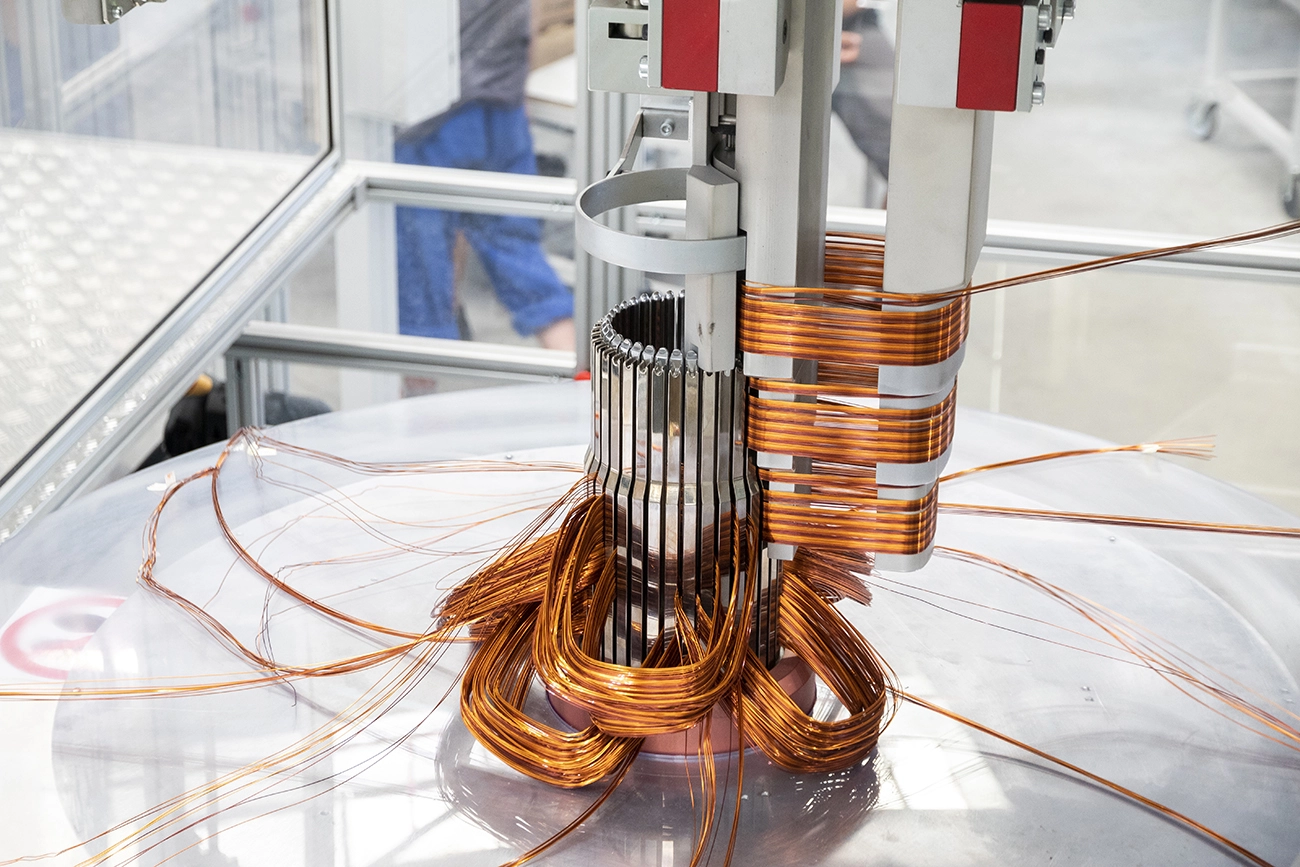
Automation is transforming coil winding by dramatically improving speed, precision, and consistency. By reducing human error, automated systems ensure that each coil is wound to exact specifications—critical in industries like automotive, aerospace, and medical technology, where tight tolerances are a must.
Modern winding machines come with integrated control systems that dynamically adjust tension, layering, and speed in real time. This means fewer defects, better product uniformity, and less labor input. Multi-spindle winders and programmable setups further increase throughput without sacrificing quality.
For small manufacturers, automation is a game-changer. It allows them to scale operations efficiently, taking on larger contracts without expanding labor costs or sacrificing performance. Whether producing in high volumes or small batches, automation helps maintain high standards while accelerating growth.
Smart Manufacturing & IoT Integration
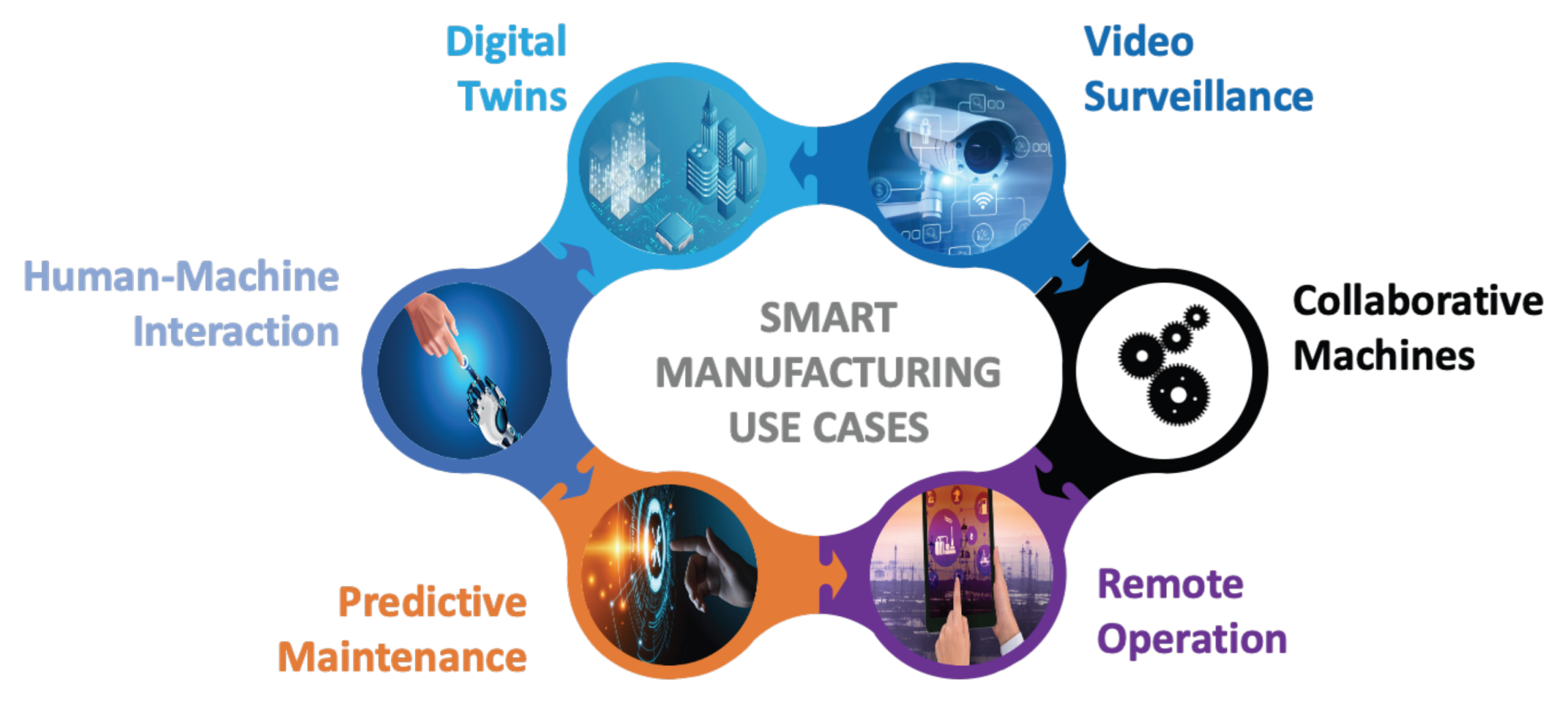
Smart manufacturing is transforming coil winding by making machines more connected, adaptive, and data-driven. With IoT sensors, manufacturers can monitor machine performance in real time, allowing for quick adjustments and fewer surprises. Predictive maintenance alerts teams before breakdowns happen, saving time and costs.
Remote diagnostics and automated feedback loops boost uptime and reduce manual checks. Plus, by gathering real-time data, production becomes more streamlined, and waste is minimized. These insights also support digital twin models, letting you simulate and perfect processes virtually.
What’s more, interconnected machines build adaptive workflows—they can automatically respond to changes in material or load. This connectivity also enables traceable quality logs, giving full transparency for every coil produced. In today’s fast-paced market, that’s a major win.
Sustainable Coil Winding Practices
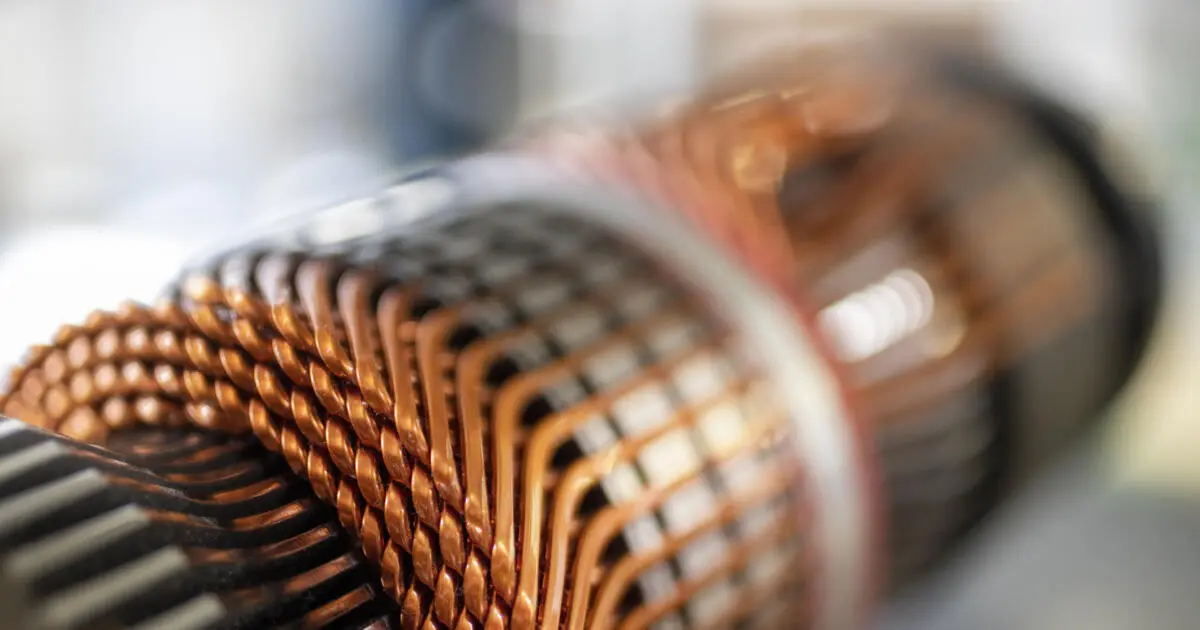
Sustainability is no longer optional—it’s expected. Coil manufacturers are embracing eco-friendly materials like recyclable wire, biodegradable insulation, and minimalist packaging to reduce environmental impact. At the same time, energy-efficient winding machines are cutting power consumption without sacrificing performance.
Some production lines even tap into renewable energy, aligning with green goals and reducing long-term costs. This shift isn’t just about compliance—it reflects growing consumer expectations and tighter environmental regulations.
More companies are also looking at the entire product life cycle. Through Life Cycle Assessment (LCA), they evaluate the environmental impact from raw material to disposal, helping them improve sustainability at every step. All of this combines to build a cleaner, more responsible coil winding industry.
Advanced Materials and Miniaturization
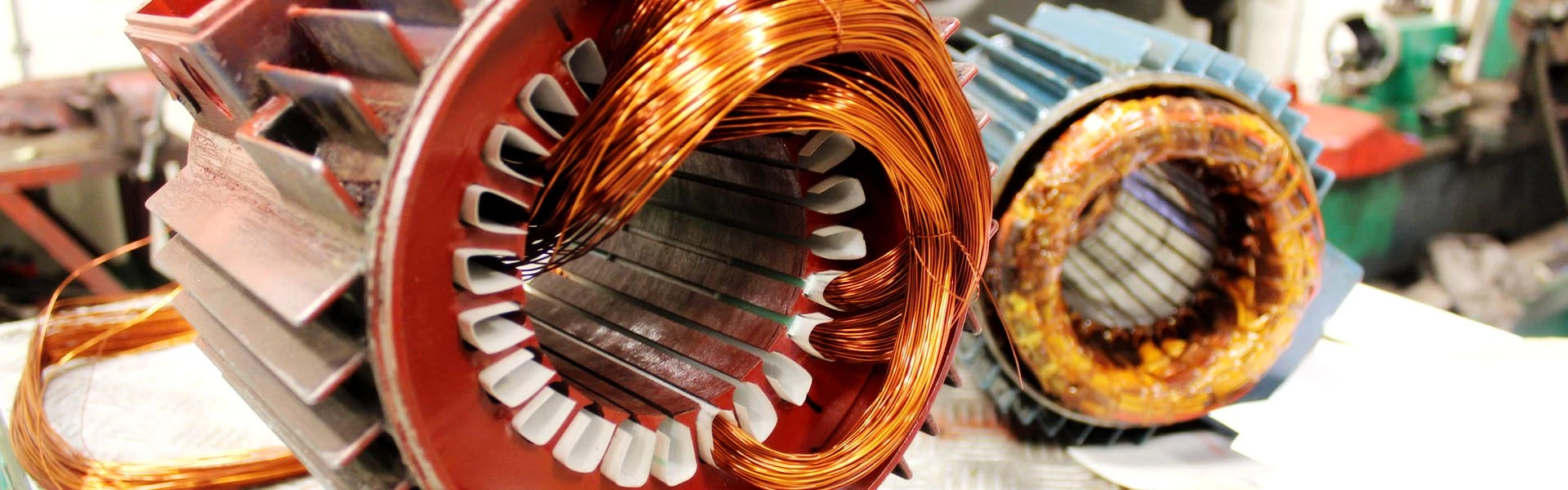
Today’s coil winding isn’t just about wire—it’s about innovation in materials. Manufacturers are turning to high-performance alloys, superconducting wires, and nanomaterials to meet the demands of higher voltage, thermal resistance, and compact spaces.
These advanced materials allow for lighter and more efficient coils, which are crucial in electric vehicles (EVs), aerospace components, and compact consumer electronics. As devices shrink, coil miniaturization ensures power and performance aren’t compromised.
Even the insulation is getting smarter. New composite insulation materials boost durability and resist heat better than traditional options—extending product lifespan and improving safety.
And here’s a rising trend: flexible coils. With the boom in wearable tech and emerging electronics, there’s a growing need for bendable, stretchable coil designs. This shift opens the door for more creative product shapes and smarter device integration. The future is small, powerful, and incredibly efficient.
Artificial Intelligence and Machine Learning in Winding
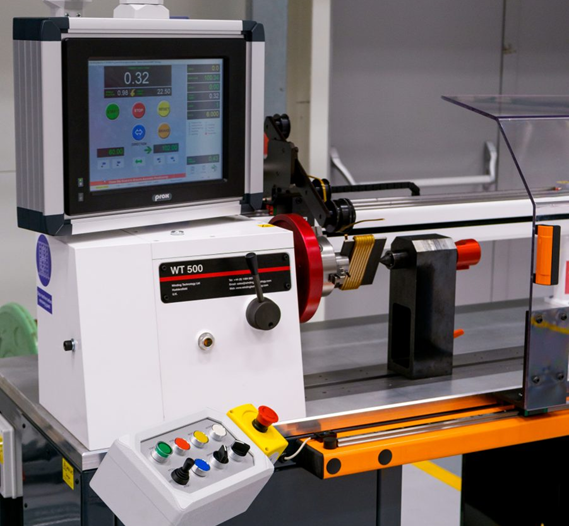
Artificial Intelligence (AI) is becoming a game-changer in coil winding. It helps predict optimal coil designs, fine-tunes production in real time, and ensures better quality control from start to finish. With AI in the loop, machines can adapt on the fly—adjusting speed, tension, or layering to stay precise.
Machine learning (ML) plays a key role in detecting defects that are too subtle for the human eye. By analyzing vast amounts of data, it recognizes patterns and flags issues before they turn into wasted material or faulty products.
AI-powered control systems make dynamic adjustments, which means fewer rejects, more accurate customization, and faster research and development cycles. This is a huge win, especially for short-run or prototype batches where every coil must meet tight specs.
For manufacturers chasing speed, flexibility, and top-tier precision, AI and ML aren’t optional anymore—they’re essential for staying competitive.
3D Printing for Coil Prototypes and Complex Designs
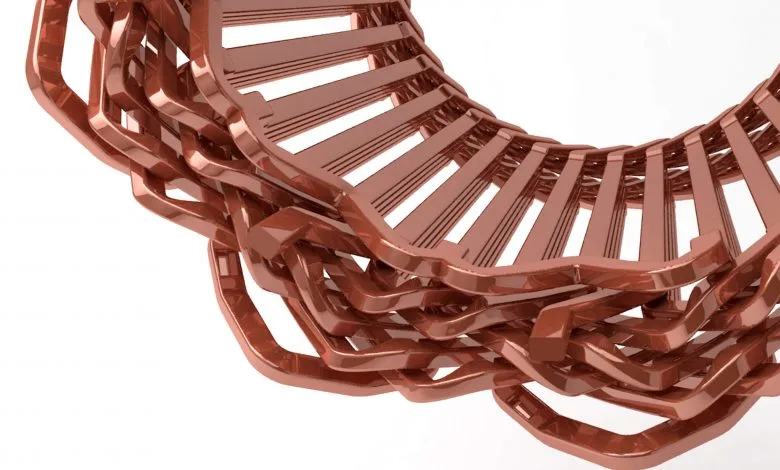
3D printing is opening new doors in coil design and prototyping. Unlike traditional methods, it enables the creation of complex coil geometries that were once impossible or too costly to produce. This flexibility is a huge win for innovation.
It’s especially useful for rapid prototyping and short production runs, helping manufacturers test ideas faster without waiting for expensive tooling. You can move from concept to coil in days, not weeks—cutting down lead time and development costs significantly.
Because 3D printing uses only the material needed, it also reduces waste. This makes it both cost-effective and eco-friendly. Industries like medical devices, electric vehicles, and IoT tech are already leveraging this to develop custom coils with advanced functionality.
If you’re looking to speed up product development and explore new design possibilities, 3D printing is your best friend in coil manufacturing.
Emerging Winding Techniques: Shaping the Future
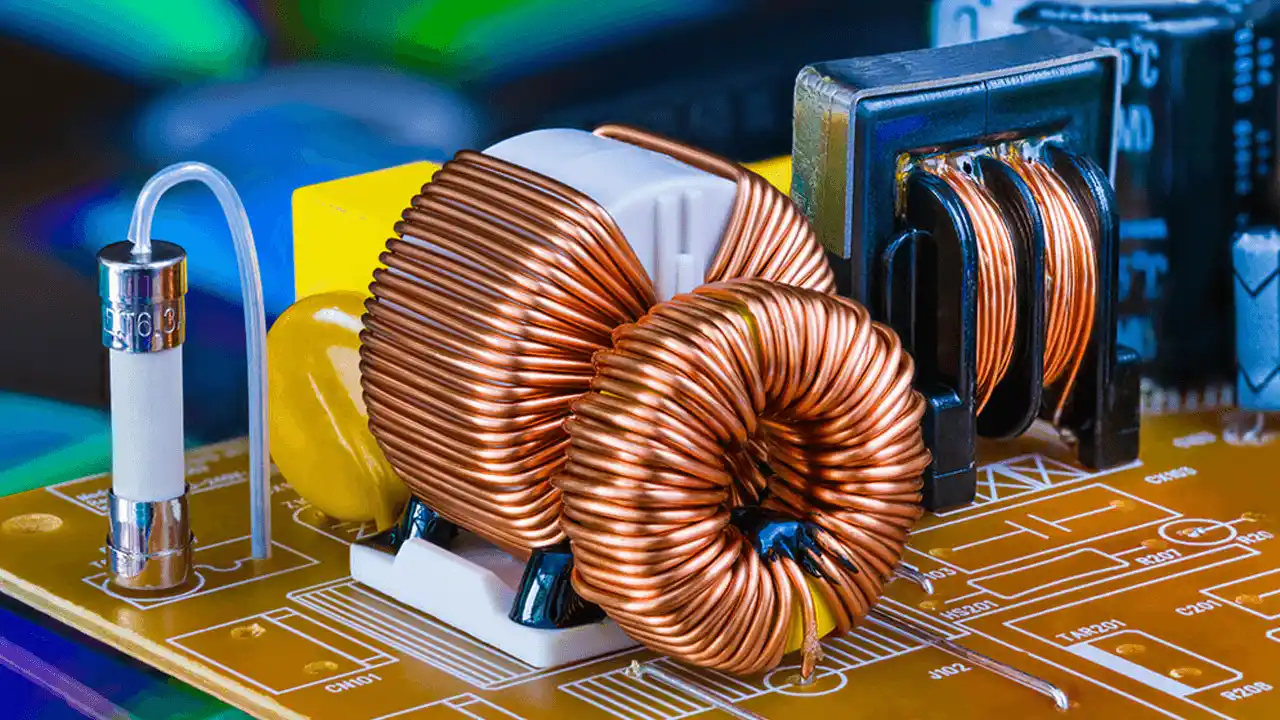
New winding techniques are redefining what’s possible in coil manufacturing. For instance, orthocyclic winding allows for extremely tight and efficient layer packing, boosting space utilization and performance. Honeycomb winding is gaining traction for its ability to reduce electromagnetic interference (EMI)—a must for sensitive electronics.
Toroidal winding creates coils with minimal magnetic leakage, making them ideal for transformers and inductors in power electronics. Meanwhile, pancake winding is commonly used in flat coil assemblies, offering a compact form factor without sacrificing functionality.
These specialized winding methods are especially valuable for niche markets like MRI machines, high-frequency converters, and aerospace electronics, where precision and performance are non-negotiable.
Modular, Custom-Built Winding Machines
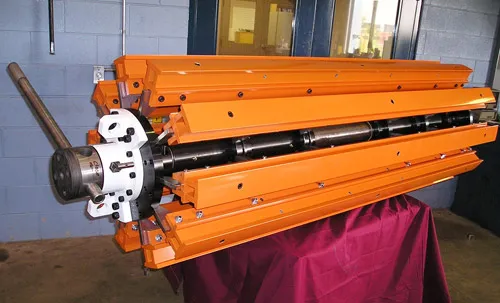
Today’s coil winding machines are increasingly modular and customizable, making it easier to adapt to changing production needs. These machines feature interchangeable modules, allowing you to switch between wire sizes, insulation types, or coil designs with minimal downtime.
Thanks to CAD/CAM integration, manufacturers can now build client-specific setups tailored to exact requirements. This flexibility not only improves efficiency but also supports faster scaling or pivoting when new orders come in or specs evolve. For custom coil manufacturers, modular machines are a smart investment in future-proofing your production line.
FAQs About Automation in Coil Winding
1. How does automation improve coil quality?
Automated systems maintain consistent tension and exact winding patterns, which ensures each coil meets strict quality standards—especially in industries like medical devices and aerospace.
2. Is automated coil winding suitable for custom coils?
Absolutely. Modern machines support programmable settings and custom wire configurations, making them ideal for short runs or custom specs.
3. What industries benefit most from coil winding automation?
Key sectors include automotive, electronics, aerospace, medical technology, and energy, where high-performance, precision coils are essential.
Conclusion
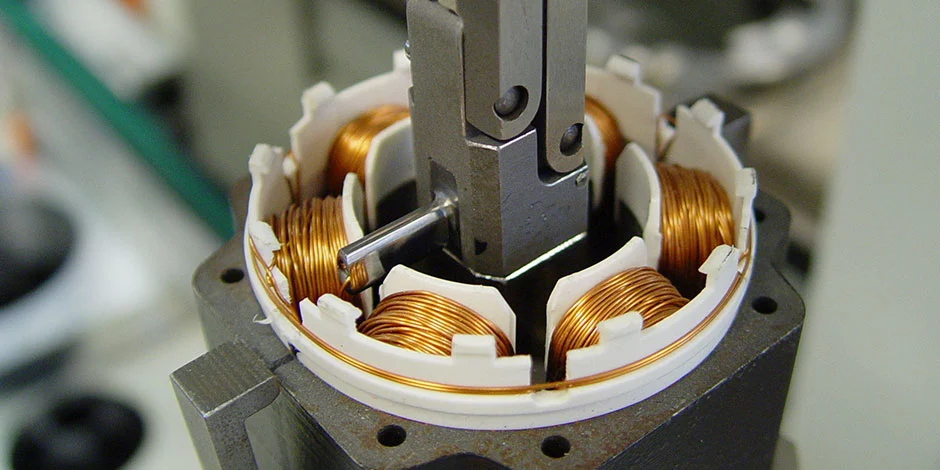
Coil winding is evolving fast, driven by automation, smart tech, sustainable practices, and advanced materials. Embracing these trends helps manufacturers boost efficiency, cut costs, and stay ahead in competitive industries like EVs, medtech, and aerospace.
Stay future-ready by adopting modern coil winding technologies. Whether you’re scaling production or customizing designs, partnering with innovative suppliers can give your business a real edge.


 English
  Spanish
  Russian
  Italian
  German
  Chinese