


An alternator is essential for converting mechanical energy into electrical energy in power systems.

At its core is the stator—the stationary part responsible for generating AC voltage through electromagnetic induction.
What Is an Alternator Stator?
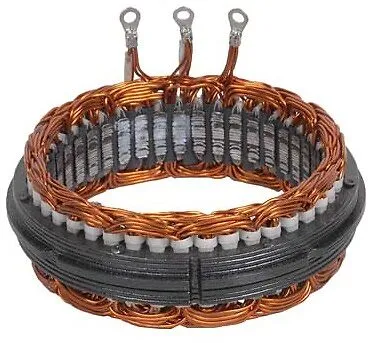
The stator is the stationary part of an alternator, and it plays a vital role in generating electricity.
As the rotor spins inside it, the stator’s windings interact with the magnetic field to produce AC power.
Depending on the application, stators come in a few different types:
Laminated iron-core stator – Commonly used in automotive alternators.
PCB stator – Ideal for lightweight or compact motors like those in drones.
Hairpin winding stator – Popular in high-efficiency electric vehicle (EV) motors.
How Does the Alternator Stator Work
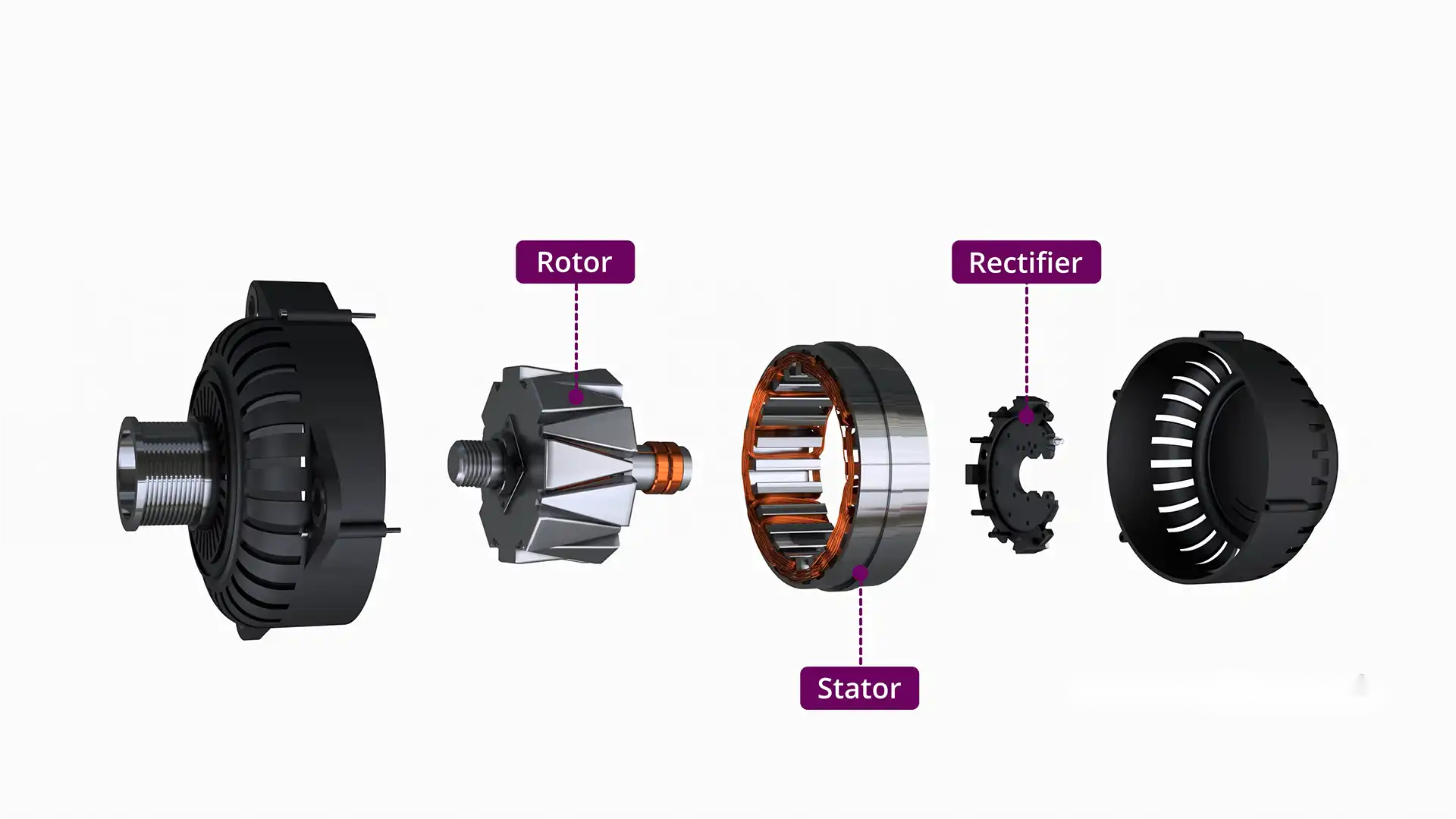
As the rotor spins inside the stator, its magnetic field cuts across the stator windings—this movement, explained by Faraday’s Law, induces AC voltage.
The stator generates three-phase AC power, which is later rectified into DC to charge batteries and run electronics.
Key Components of the Stator
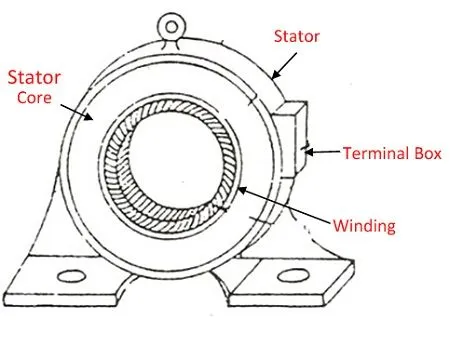
An alternator stator might look simple, but it’s made up of several critical components that work together to generate power efficiently.
Here’s what’s inside:
Stator Core – Made of laminated steel to minimize eddy current losses.
Coil Windings – Usually copper wires that produce electricity when exposed to a magnetic field.
Insulation – Keeps the windings safely separated, preventing shorts or grounding issues.
Housing – The structure that holds and protects the entire stator assembly.
Stator vs Rotor: What’s the Difference?

The stator is stationary and holds the windings that produce output voltage.
The rotor rotates within it and creates a moving magnetic field. Together, they generate electricity.

 English
  Spanish
  Russian
  Italian
  German
  Chinese