


Alternators and stators are essential components in power generation, commonly found in vehicles and electrical systems.
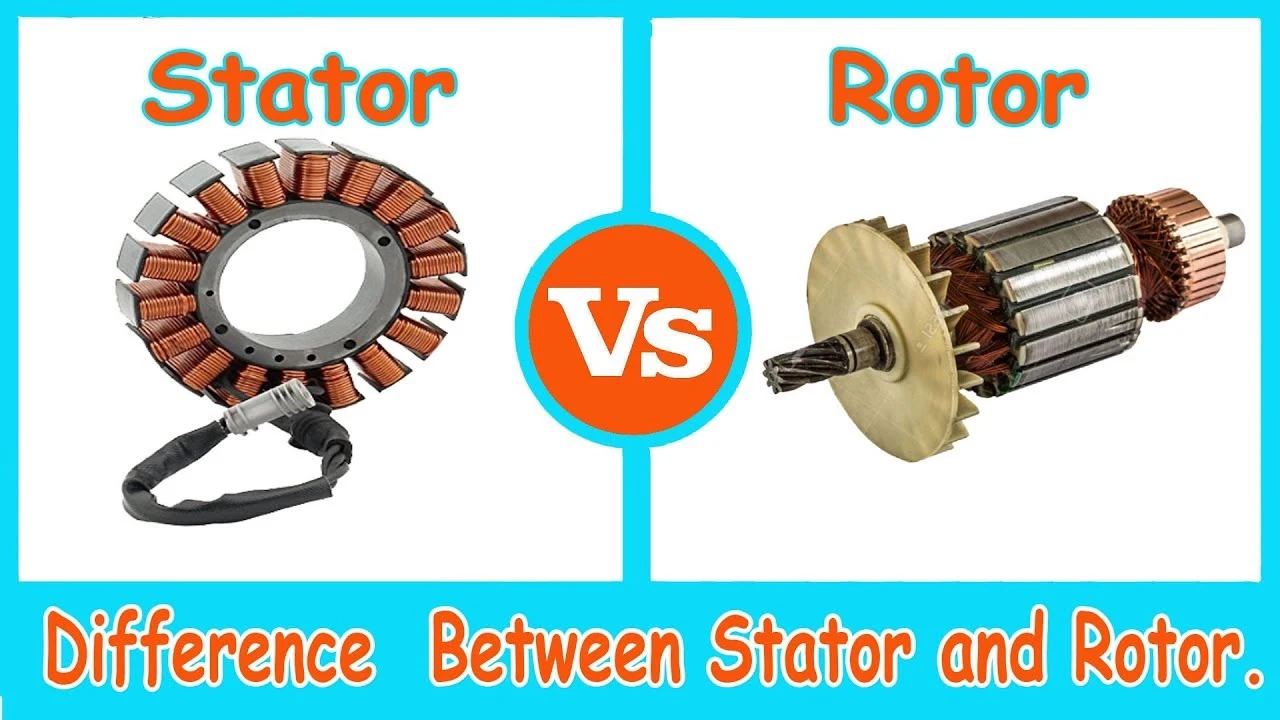
Understanding their differences helps ensure the right choice for performance, efficiency, and application needs.
What Are Alternators?
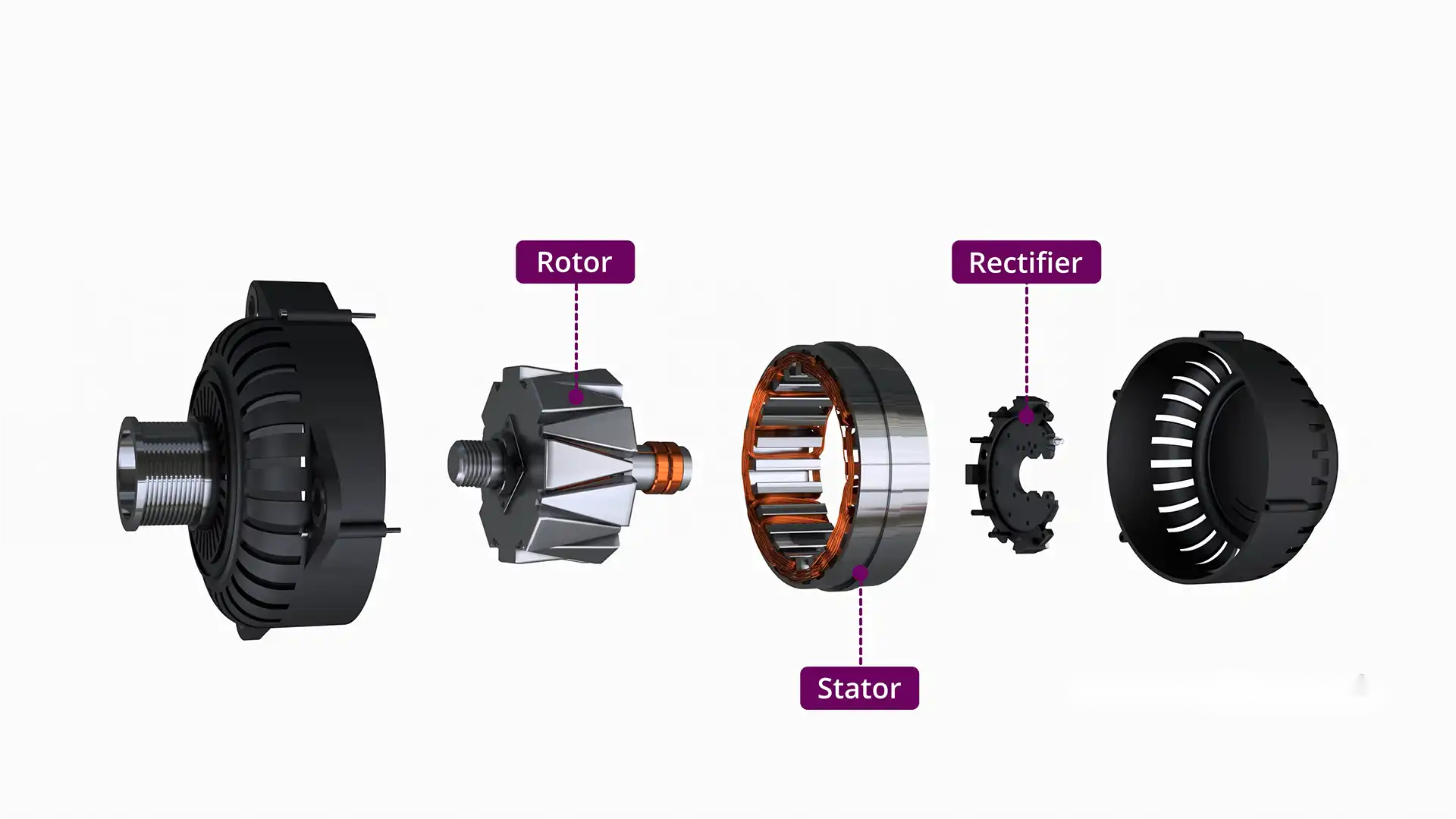
Alternators are electromechanical devices that convert mechanical energy into alternating current (AC).
They are widely used in vehicles and industrial systems to generate electricity on demand.
An alternator generates electricity by rotating a magnetic field inside a set of wire windings (the stator).
This motion induces an AC voltage, which is then converted to DC using a rectifier to power electronics or charge a battery.
Key components include a rotor (spins to create a magnetic field), a stator (stationary windings that generate electricity), and a rectifier/regulator (converts AC to DC and controls voltage output).
What Are Stators?
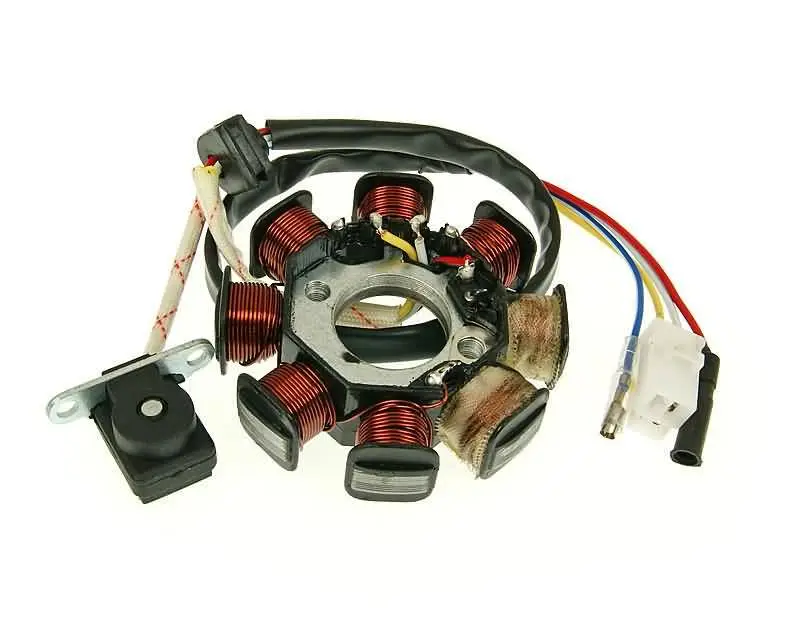
A stator is the stationary part of an electric motor or generator that houses the windings responsible for producing the electromagnetic field used to generate electrical power.
Working with a rotating rotor, the stator generates alternating current (AC) through electromagnetic induction.
This AC is often passed to a rectifier to be converted into direct current (DC) for practical use.
A stator typically consists of laminated steel cores, copper windings, and insulation materials.
It is the foundation for power generation in electric motors, generators, and many renewable energy systems.
Key Differences Between Alternators and Stators
Design and Location

Alternators are self-contained units that are typically mounted externally, commonly found in automotive systems.
They generate electrical power for the vehicle’s battery and electrical systems.
In contrast, stators are stationary components located inside the motor or generator, where they play a crucial role in the generation of power.
Output
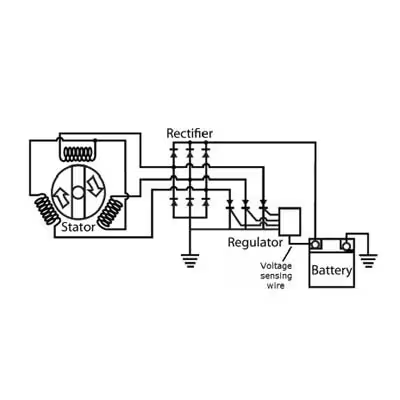
Alternators generate alternating current (AC) when the rotor spins inside the stator.
This AC is then converted into direct current (DC) by a rectifier/regulator for use by the electrical systems.
Stators, on the other hand, generate alternating current (AC) that is directed to external components like rectifiers, which convert it into DC power.
Magnetic Field
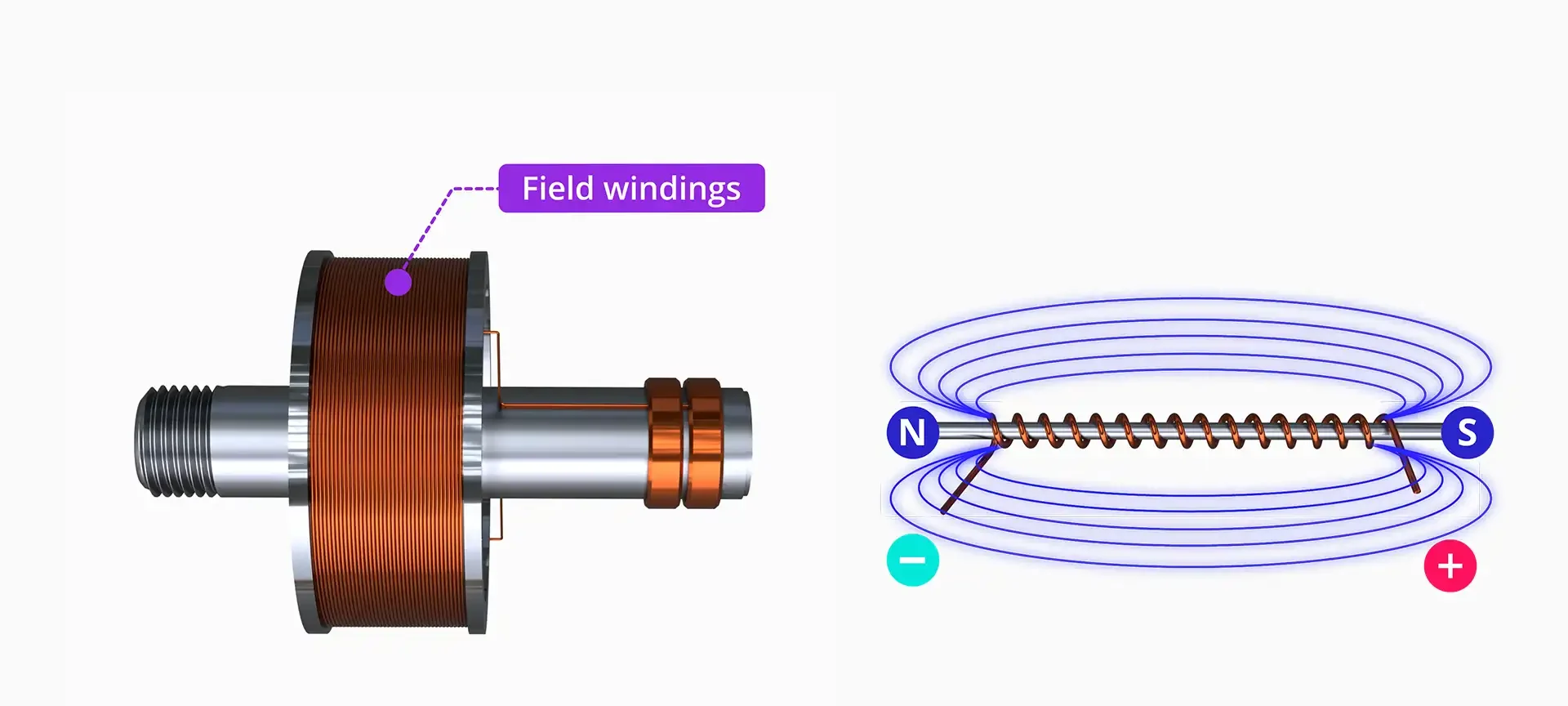
In alternators, the magnetic field is created by a rotating rotor and is key to generating alternating current (AC).
Stators, however, rely on a stationary magnetic field generated by coils inside the motor, which interacts with the rotor to produce electricity, making the stator’s magnetic field static.
Efficiency and Application
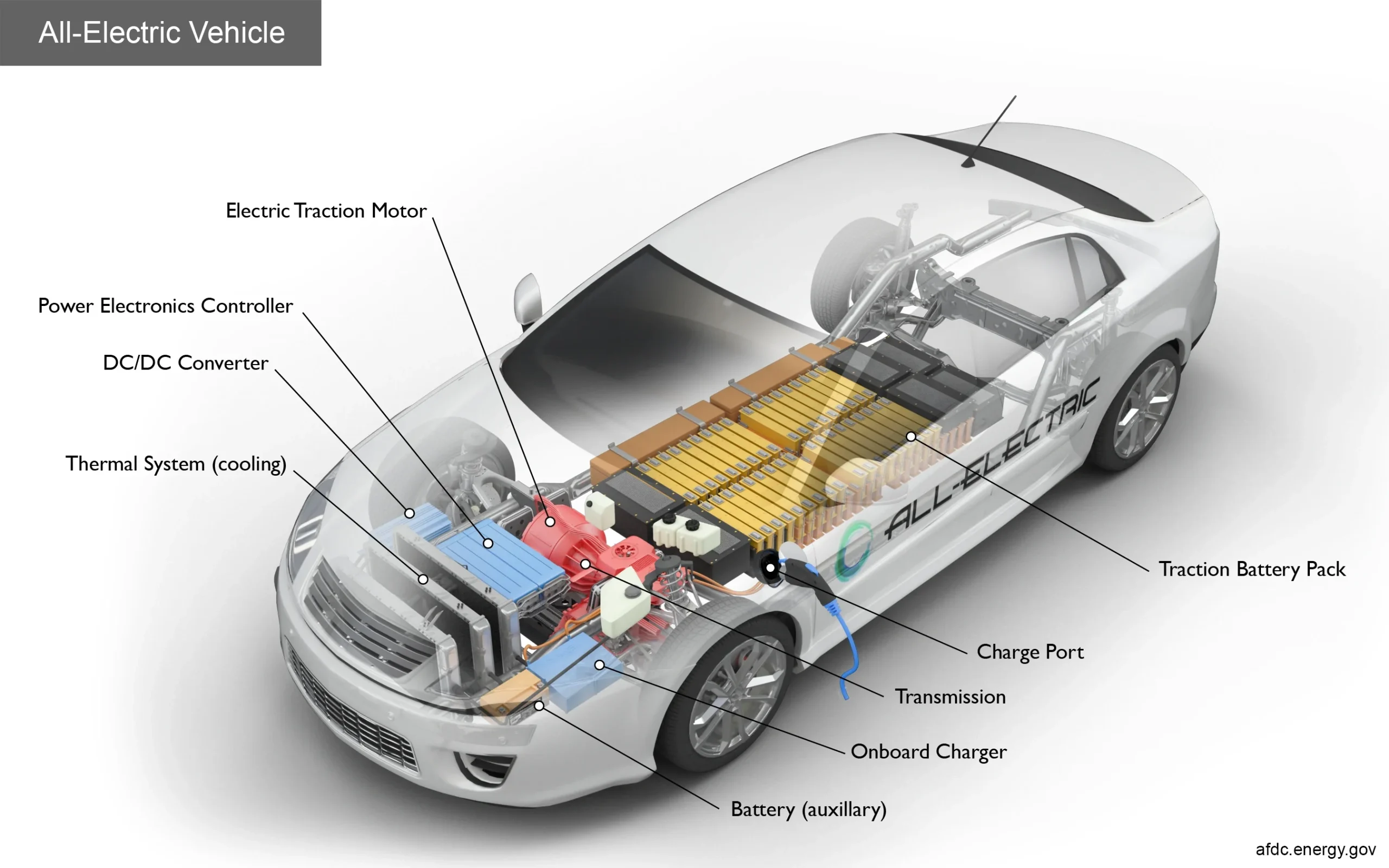
Alternators are more efficient at varying speeds, such as in automotive applications, where they adapt to changes in engine speed.
Stators, used in electric motors and generators, are less variable in speed but provide reliable and consistent power for machinery like industrial motors and turbines.
Common Applications: When to Use an Alternator vs Stator
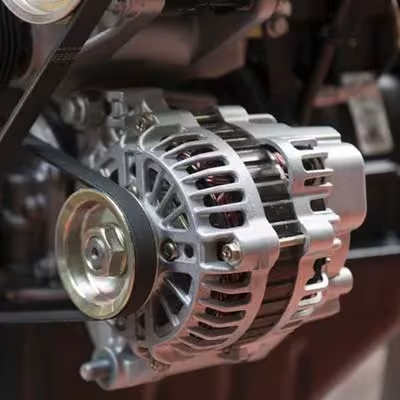
Alternators are used in applications where continuous power generation and battery charging are necessary, such as in vehicles, aircraft, and large-scale power generation systems.
Stators are ideal for electric motors, turbines, and other systems requiring internal power generation, particularly in stationary applications.
Conclusion
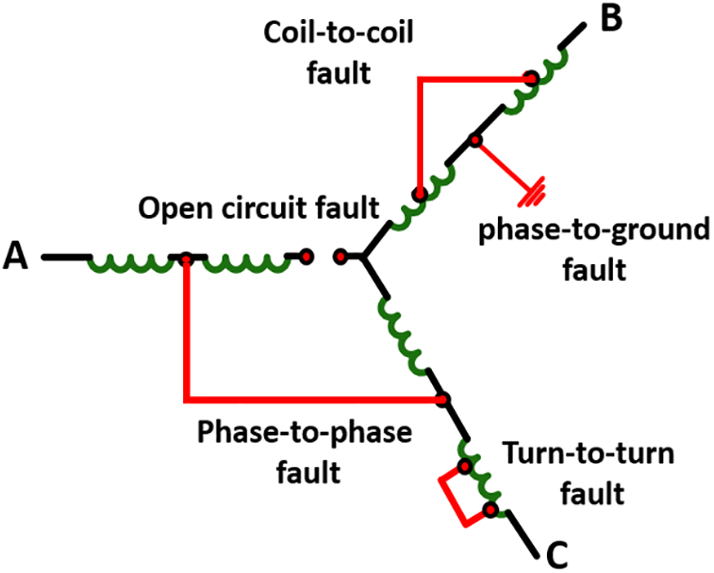
Alternators and stators serve distinct functions in power generation systems.
Alternators generate AC, which is converted to DC for use in automotive and industrial applications, while stators create electromagnetic fields in motors and generators.
For tailored advice on selecting the right component for your needs, feel free to contact us.
Our experts are here to assist you with specialized solutions.
FAQ: Stator vs. Alternator
Why don’t motorcycles have alternators?
Motorcycles don’t have alternators because they require more space and complexity than a stator system. Motorcycles use stators, which are smaller, simpler, and more efficient for their power generation needs.
Does a stator charge the battery?
Yes, a stator generates electrical power that is used to charge the battery and run essential systems like the ignition and lights on a motorcycle.


 English
  Spanish
  Russian
  Italian
  German
  Chinese