


Coil winding may look simple on the surface, but even small defects can create big problems. A loose layer, a broken wire, or uneven winding can quickly turn into performance loss, higher scrap rates, or costly rework. In industries like transformers, motors, and medical devices, these issues aren’t just about waste—they directly affect reliability and safety.
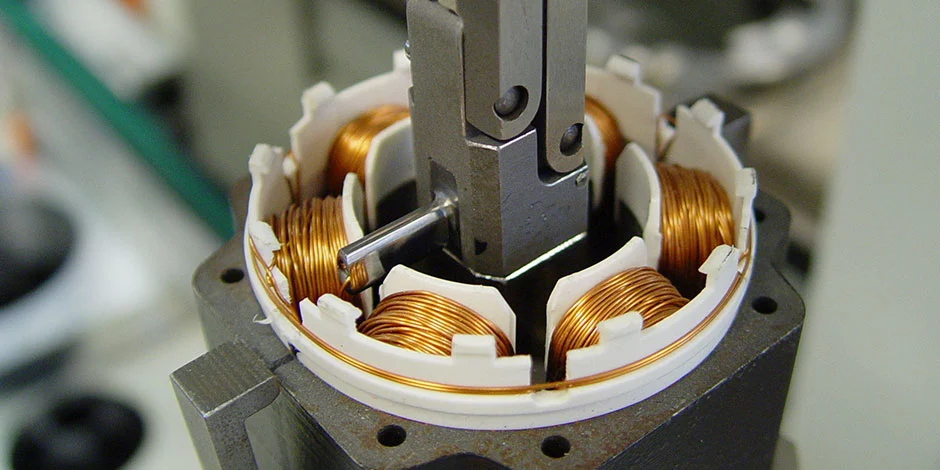
Every coil must meet strict electrical and mechanical standards. When winding goes wrong, yield drops, downtime increases, and overall costs rise. That’s why understanding common coil winding issues—and knowing how to prevent them—is essential for keeping quality high and production efficient.
Common Defects & Symptoms
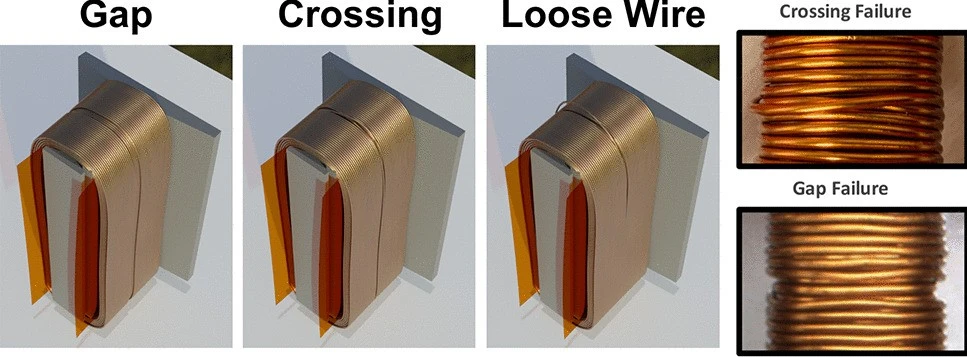
Even small variations in coil winding can show up as visible or audible defects. Recognizing these symptoms early makes troubleshooting faster and prevents wasted production.
Loose or Uneven Layers, Buzzing Coils
When tension is too low or inconsistent, coils don’t sit tightly on the bobbin. This creates gaps between layers and often leads to buzzing sounds during operation. Left unchecked, it can cause vibration and early failure.
Overlaps, Gaps, and Low Fill Factor
Improper traverse control or guide misalignment can make wire turns overlap or leave small gaps. This lowers the fill factor, reduces efficiency, and increases heating losses. Precise alignment is key for clean, uniform winding.
Wire Necking or Breaks, Enamel Damage
Too much tension, sharp guide edges, or poor wire handling can stretch the conductor until it thins (necking) or breaks. Excess stress also cracks the enamel insulation, exposing bare wire and raising the risk of short circuits.
Telescoping or Poor Edge Definition
When coils don’t build evenly, the winding edges can slope outward in a “telescoping” effect. This not only looks sloppy but also reduces stability and makes the coil harder to handle or assemble. Good edge control is critical for quality.
Each of these defects stems from different root causes, but together they highlight how critical tension, alignment, and handling are in coil winding. Next, we’ll look at the common root causes behind these issues and how they can be diagnosed.
Root Causes Behind Winding Issues
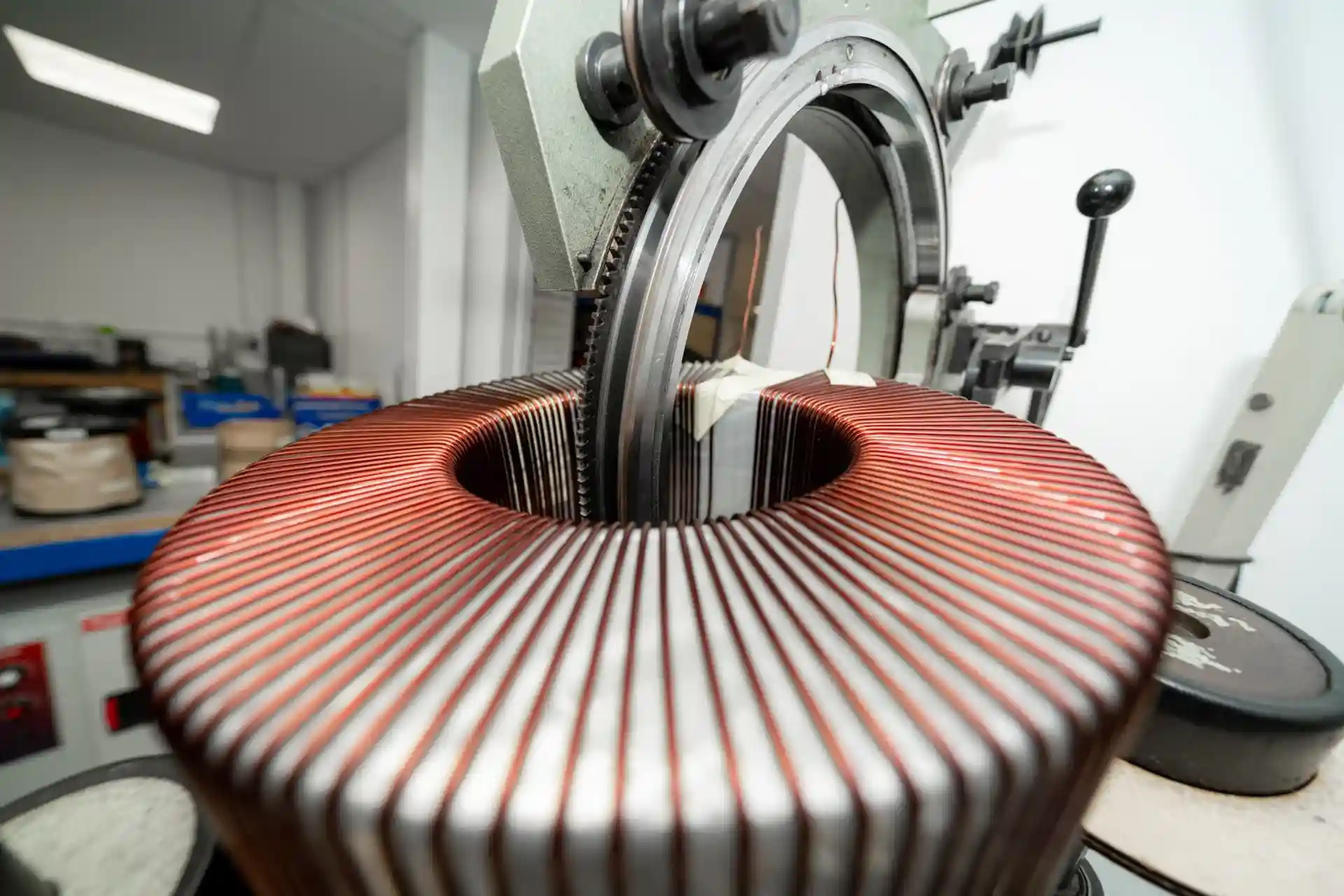
Every coil defect can usually be traced back to a handful of underlying factors. Knowing these causes helps operators correct problems before they turn into major quality losses.
Tension instability (drift, incorrect setup)
If wire tension drifts during winding—because of spool diameter changes, poor brake control, or a bad setup—it leads to loose coils, overlaps, or even breaks. Stable, calibrated tension is the foundation of good winding.Traverse/guide misalignment or wear
When traverse units or guides are misaligned, worn, or dirty, the wire won’t lay evenly. This produces overlaps, gaps, or edge problems that reduce coil density and reliability.Material or environment problems (wire quality, humidity)
Out-of-spec wire, enamel cracks, or dirty spools often cause recurring defects. High humidity or dust in the workspace can also weaken insulation and affect coil stability.Setup or calibration drift in tension systems
Over time, sensors, dancer arms, or load cells can drift out of calibration. If these aren’t regularly checked, operators may unknowingly run with unstable or incorrect tension settings.
Maintenance & Preventative Strategies

The best way to deal with coil winding issues is to stop them before they start. A consistent maintenance routine keeps machines running smoothly and coils defect-free.
Clean and polish contact surfaces
Guides, rollers, and tension pads pick up dust, debris, and wear over time. Regular cleaning and polishing prevent scratches on the wire and ensure smooth tension control.Schedule component checks and replacement
Pads, felt inserts, sensors, and dancer arms don’t last forever. Building scheduled inspections and timely replacements into your process prevents sudden failures and unplanned downtime.Store wire correctly to avoid moisture and damage
Coils of wire should be stored in a dry, controlled environment. Moisture weakens insulation and changes tension behavior, while careless handling can kink or scratch wire before it even hits the machine.
By combining these simple habits, manufacturers protect both machine performance and coil quality—saving time, money, and materials in the long run.
Ready to Improve Your Coil Winding Quality?
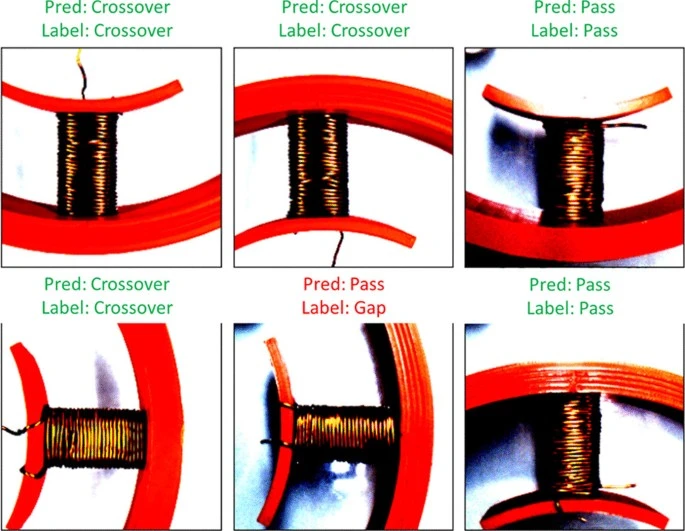
Coil winding issues don’t just raise costs—they can affect performance and reliability across every application. The good news is, with the right machines, proper tension control, and expert support, these problems can be solved before they start.
If you’re looking for reliable coil winding machines, tension systems, or custom solutions, we’re here to help. Our team offers advanced equipment, tailored advice, and responsive service to keep your production smooth and efficient.
Contact us today to discuss your coil winding needs and discover how we can help you boost quality, reduce downtime, and achieve better results.
FAQs About Coil Winding Issues
1. How to check motor coil winding?
You can check motor coil winding with a multimeter. Measure resistance between coil ends—open or infinite readings suggest breaks, while very low resistance may indicate shorted turns. For insulation testing, a megger can verify resistance between windings and the motor body.
2. How does coil winding work?
Coil winding works by wrapping insulated wire around a core (like iron or ferrite). The turns create electromagnetic fields when current flows, which is the principle behind transformers, motors, and inductors. Precise winding ensures correct performance and efficiency.
3. How do you increase the winding resistance of a coil?
Winding resistance can be increased by:
Using thinner wire (higher resistance per unit length).
Increasing the number of turns.
Choosing a longer winding path.
This is sometimes done to control current, but it also increases heat loss.
4. What’s the difference between winding and coil?
Coil is the general term for wire wound into loops, often around a core.
Winding refers to the specific arrangement of coils in a device—like primary and secondary windings in a transformer, or stator windings in a motor.


 English
  Spanish
  Russian
  Italian
  German
  Chinese