


Copper and aluminum are the two most common materials used in electrical wiring.
Each comes with its own strengths—copper offers top-tier conductivity and durability, while aluminum is lighter and more cost-effective.
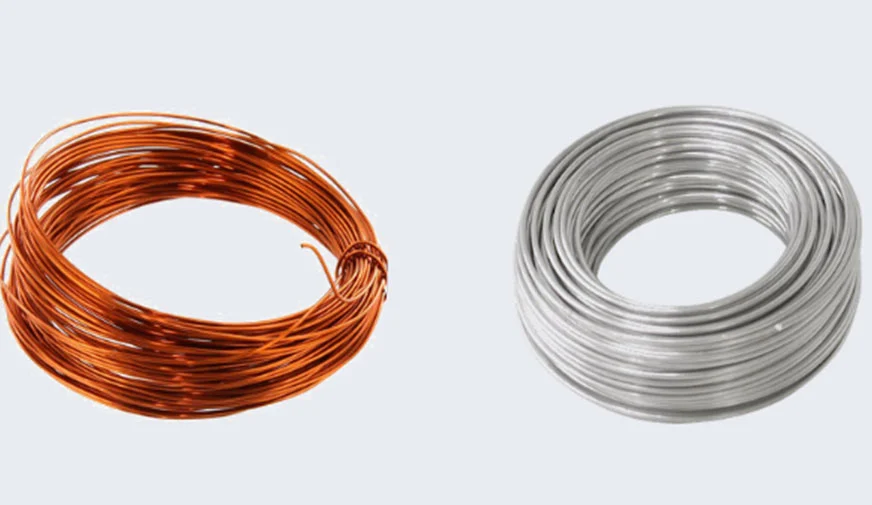
Choosing the right wire depends on your project’s electrical load, budget, and long-term performance needs.
Copper Wire

Copper has long been the gold standard for electrical wiring due to its outstanding performance and durability.
While it comes at a higher cost, its long-term benefits often justify the investment—especially in critical or high-demand applications.
Here are the key advantages that make copper wire a top choice:
High electrical conductivity
Excellent tensile strength (~40% stronger than aluminum)
Low thermal expansion – better connection stability
Better corrosion resistance
Safer for long-term residential and commercial use
Long-term reliability despite higher cost
Aluminum Wire

Aluminum wire offers a budget-friendly alternative to copper, especially for large-scale or fixed installations.
It’s lighter, more flexible, and easier to handle—but it does come with a few considerations. Here are its main advantages:
More cost-effective (up to 50% cheaper)
Lighter and more flexible – easier to install in tight spaces
Suitable for fixed installations and large-scale projects
Requires larger cross-sectional area to match copper’s capacity
Needs proper anti-oxidizing compounds at connection points
Key Differences: Copper vs Aluminum Wire

Here’s a quick side-by-side comparison to help you choose the right wire for your needs:
Performance in Real-World Applications

Copper wire performs best in homes, electronics, and high-load circuits due to its superior conductivity and strength.
Aluminum, while less conductive, is a smart choice for budget-friendly, large-scale, or fixed installations where flexibility and cost savings matter more than compact size or premium performance.
Safety & Maintenance Considerations

Copper offers better long-term safety with minimal upkeep.
Aluminum wire can pose fire risks if not installed correctly, due to its expansion and corrosion issues.
It requires anti-oxidant treatment and regular inspections, whereas copper is more stable and secure over time with fewer maintenance demands.
Cost and Installation Factors

Aluminum’s low cost helps lower the budget for big projects.
Copper is pricier up front but often more economical long term.
Aluminum needs thicker wires and bigger conduits, while copper is easier to terminate and doesn’t need anti-corrosion treatment—making it simpler for electricians to work with.
Environmental & Longevity Insights
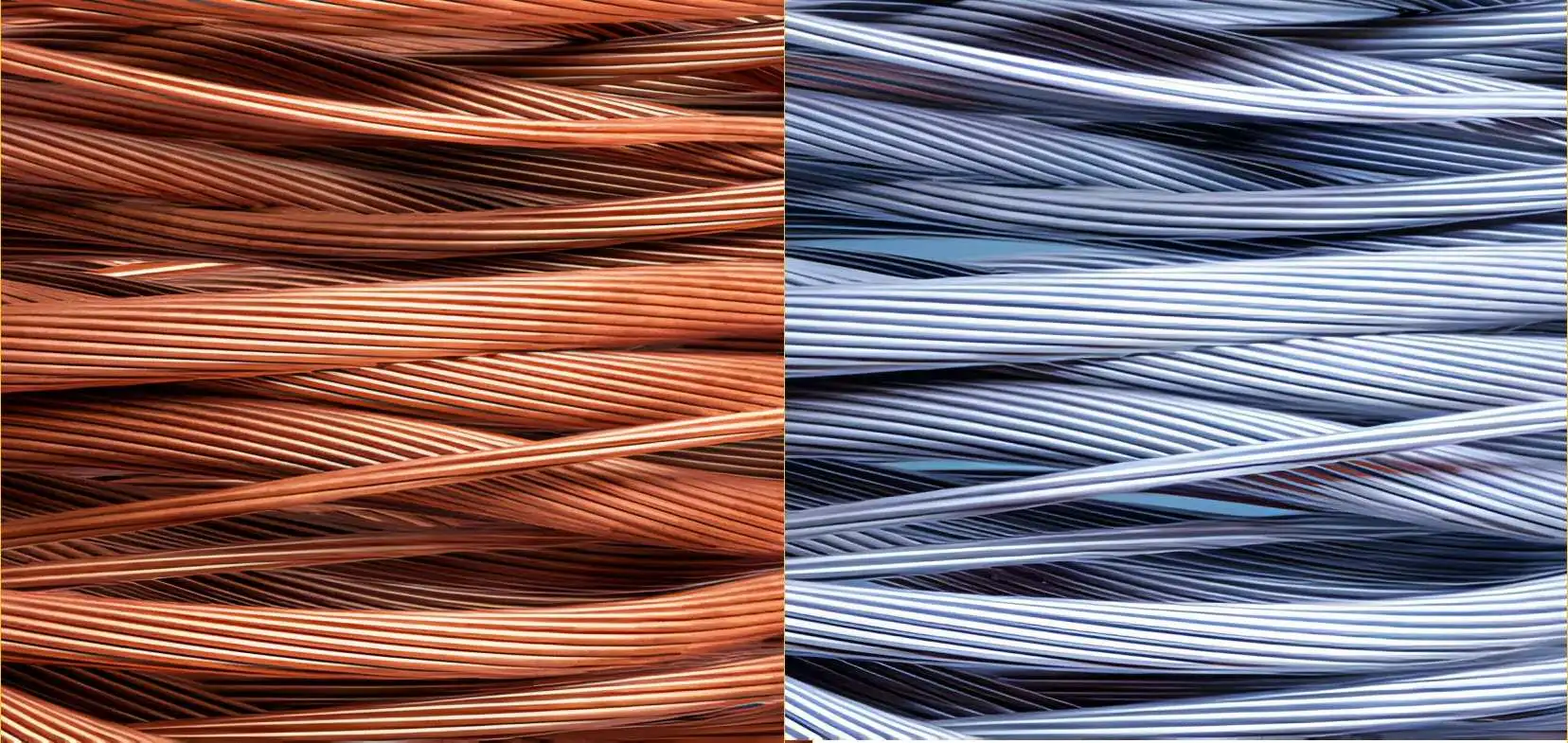
Copper wire lasts longer and better handles thermal cycling and mechanical stress.
Aluminum, on the other hand, is easier to extract and recycle, making it more environmentally friendly.
If sustainability and weight matter, aluminum has the edge; if durability matters most, copper wins.
Which Wire Should You Choose?
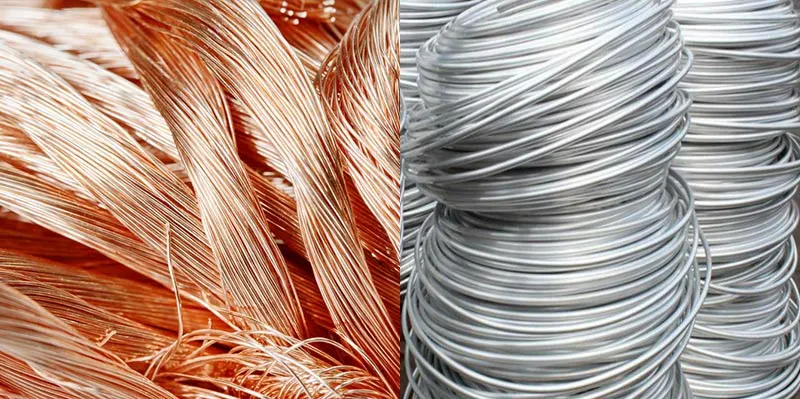
Choosing between copper and aluminum wire depends on your project’s needs.
✅ Choose Copper If You Need:
Reliable performance in high-load circuits
Wiring for sensitive electronics or smart systems
A longer lifespan with minimal maintenance
💰 Choose Aluminum If You Need:
A budget-friendly solution for large installations
Wiring for fixed, low-movement infrastructure
Lightweight wire that’s easier to route in tight spaces
Conclusion

Copper delivers superior performance and long-term safety, while aluminum is more affordable and flexible for large installations.
Your ideal choice depends on the project’s power demands, budget, and environment.
Need expert guidance?
Contact us today to find the best wiring solution for your next residential or industrial project.
FAQs
Which is better: copper or aluminum wire?
Copper is generally better for most applications due to its higher conductivity, strength, and long-term durability.
It’s safer, less prone to corrosion, and doesn’t expand or contract as much as aluminum.
What are the disadvantages of aluminum wire?
Aluminum wire is more prone to oxidation, which can weaken connections over time and increase fire risk.
It’s softer and more malleable than copper, making it more sensitive to compression and mechanical stress.


 English
  Spanish
  Russian
  Italian
  German
  Chinese