


When you hear the term custom magnetic components, you might think of something high-tech—and you’d be right! These are specially designed magnetic parts like transformers, inductors, chokes, and magnetic assemblies built to meet unique electrical or mechanical needs.

Unlike off-the-shelf options, custom magnetic components are tailored for specific voltage levels, sizes, shapes, and environments. Whether it’s powering a medical device, optimizing an EV charger, or handling harsh industrial conditions, these components are made to fit your exact design requirements.
Think of it this way: if standard components are like one-size-fits-all clothing, custom magnetics are a perfectly tailored suit—built for comfort, function, and long-term performance. That’s why engineers across industries are switching to custom solutions for better efficiency, reliability, and design flexibility.
Why Custom vs. Standard Matters
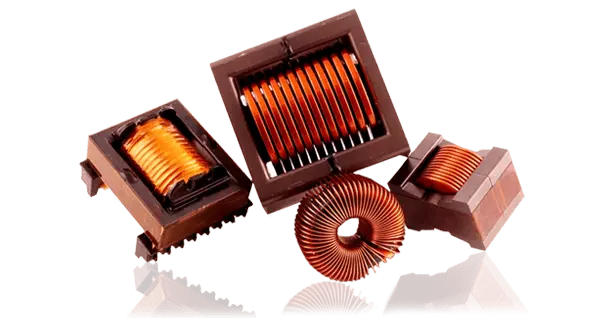
When it comes to magnetic components, one size definitely doesn’t fit all. Standard, off-the-shelf parts might seem convenient at first—but they often lead to frustrating compromises down the line.
You may run into fit issues where components don’t match your layout, or experience thermal and EMI challenges that hurt performance. These problems can result in hidden costs, redesigns, and even product delays. And let’s be honest—none of us want a project stalled over a transformer that’s just a few millimeters off.
That’s where custom magnetic components shine. They’re designed specifically for your application, meaning fewer trade-offs and better overall efficiency. Plus, working with a custom supplier gives you greater control over the design process, from prototype to mass production. This helps reduce supply chain risks and ensures your product scales smoothly as demand grows.
In short, choosing custom isn’t just about performance—it’s about building smarter from the start.
Core Benefits of Custom Magnetic Components
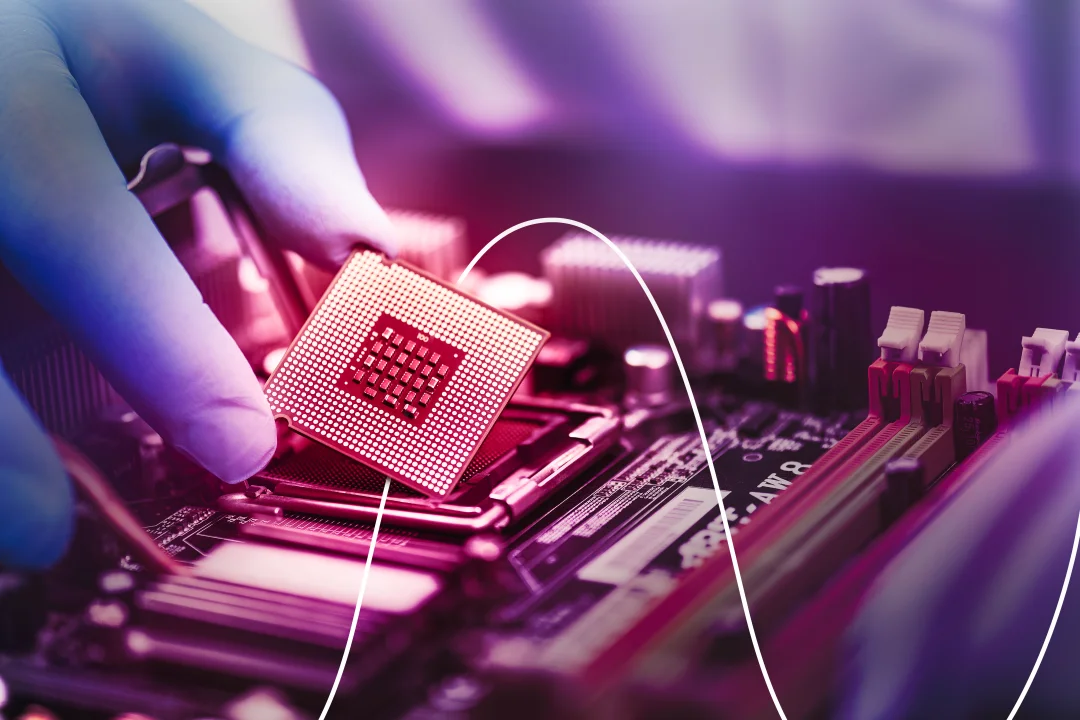
So, why go custom? The real value of custom magnetic components lies in how they’re built to solve your specific design challenges—right from the start.
Form & Fit: Custom components are made to match your design layout perfectly. Whether you need a compact transformer for tight spaces or connectors placed just right, custom magnetics help you avoid the awkward workarounds that come with standard parts.
Electrical Optimization: Every system has its own voltage, current, and frequency needs. With custom components, you get fine-tuned performance—and that means better efficiency, less heat, and reduced EMI (electromagnetic interference).
Duty-Cycle & Thermal Management: Standard parts aren’t always made to run under tough conditions. Custom magnetic components can be engineered to handle demanding duty cycles, high power loads, and tricky thermal environments without overheating or breaking down.
Mechanical & Environmental Durability: Harsh conditions? No problem. Custom solutions offer special coatings, rugged housings, and weather-resistant designs that keep your components working strong in factories, vehicles, or outdoor setups.
With custom magnetics, you’re not just solving problems—you’re preventing them.
Engineering & Production Process
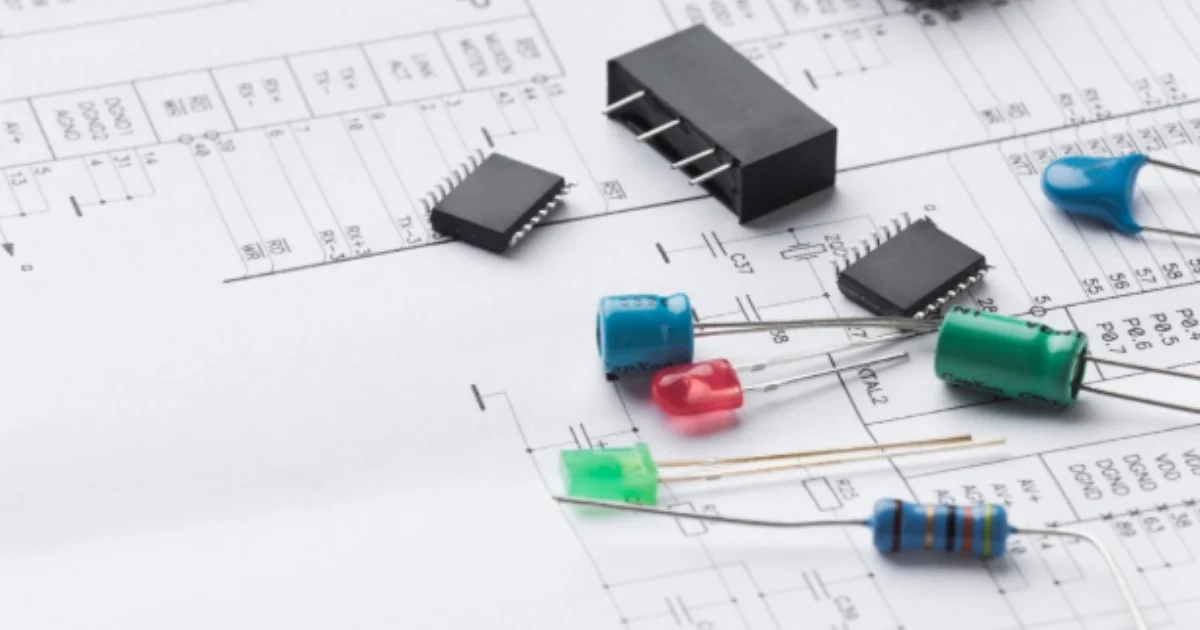
Designing custom magnetic components isn’t just about creativity—it’s a precise engineering process that blends experience, tools, and testing every step of the way.
Specification & Prototyping: Everything starts with your specs. Whether it’s a “build-to-print” project or a new concept, custom suppliers help define exact requirements like size, voltage, temperature limits, and more. This phase often includes non-recurring engineering (NRE) costs and custom tooling to get prototypes just right.
Simulation & Modeling: Before a single coil is wound, advanced software tools come into play. Engineers use core-loss modeling and waveform-based design to predict how the component will perform under real-world conditions. This helps avoid trial-and-error and ensures maximum efficiency from day one.
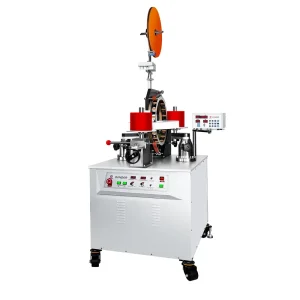
Manufacturing Techniques: Once designs are finalized, it’s time to build. That includes precision winding, applying protective coatings, and assembling components using high-temp adhesives or robust housings. Every detail—from insulation to final inspection—is handled with care to ensure reliability and compliance.
This process doesn’t just produce parts—it delivers performance, consistency, and peace of mind.
Applications & Use Cases
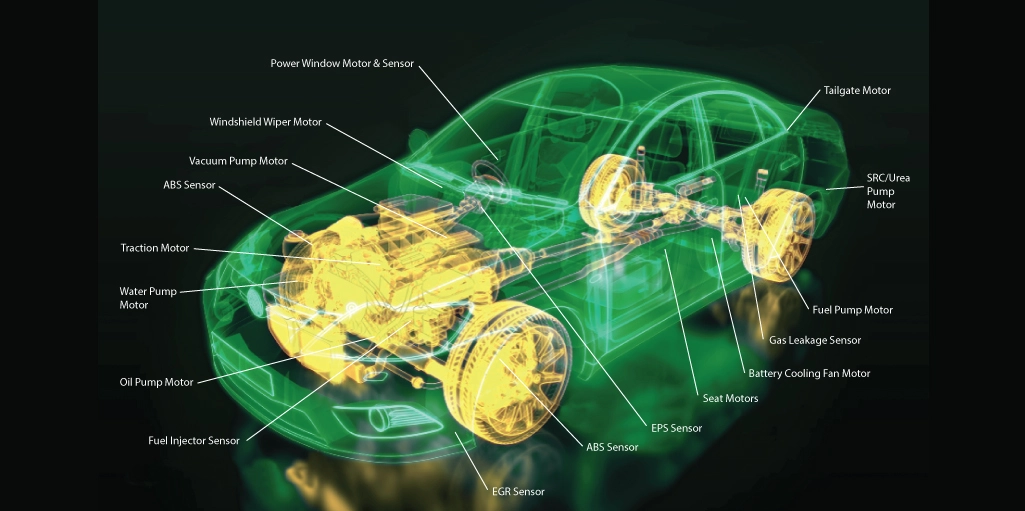
Custom magnetic components aren’t just for one industry—they power innovation across many. Here’s where they really make a difference:
Industrial Automation & Conveyors: In fast-moving environments like factories, custom magnetics are used in motor drives, sensors, and power supplies. They integrate seamlessly into motion systems, helping improve speed, control, and uptime.
Power Electronics, Renewable Energy & EVs: Whether it’s an electric vehicle charger, a solar inverter, or a high-efficiency power supply, custom magnetics offer compact designs and maximum energy conversion. They’re tailored for high-frequency switching and tight thermal specs, giving engineers more design freedom.
Medical & Aerospace: In mission-critical sectors, there’s no room for error. Custom magnetic components ensure high reliability, tight tolerances, and full compliance with strict safety standards. From surgical tools to flight systems, they deliver dependable performance when it matters most.
No matter the industry, custom solutions help you meet demanding goals without compromise.
Trends & Innovations
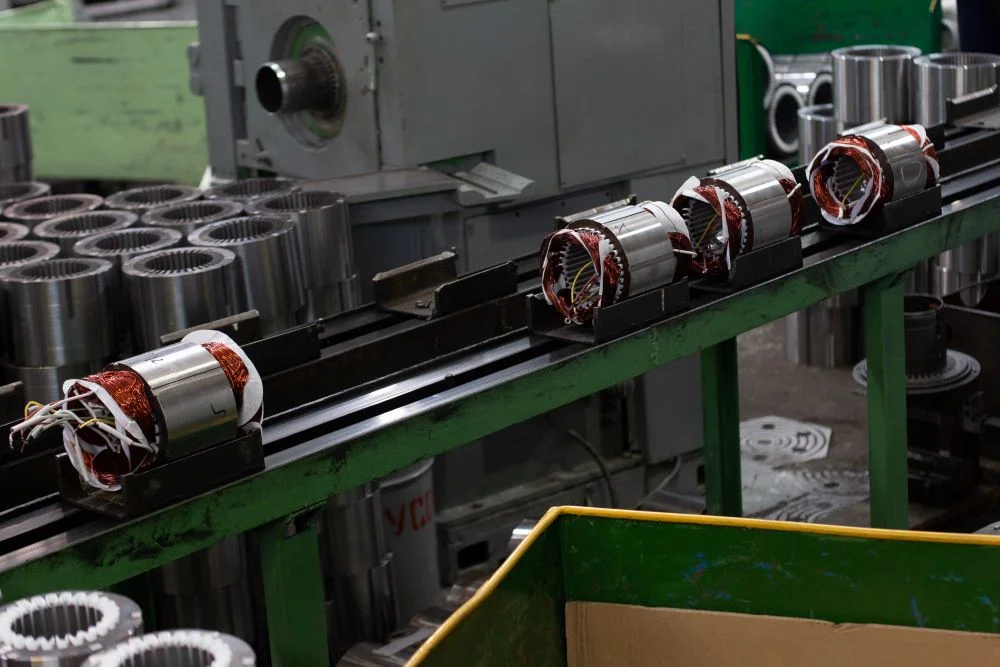
The world of custom magnetic components is evolving fast—and it’s all thanks to new materials and smarter design tools that push performance to the next level.
Emerging Materials: Engineers are now using cutting-edge materials like nanocrystalline and amorphous cores, which offer lower core losses and better performance at high frequencies. Additive manufacturing is also making waves, enabling advanced bonded magnets to be 3D printed into complex shapes with fewer limitations. These innovations open the door to lighter, smaller, and more efficient components.
Programmable & Multipole Magnetics: Need pinpoint control? Programmable magnetics and multipole configurations are changing how devices handle positioning, sensing, and actuation. These smart magnetic systems are especially useful in robotics, medical devices, and consumer electronics—where every millimeter counts.
As materials and design tools improve, custom magnetics are becoming more powerful, precise, and versatile than ever.
Challenges & Strategic Advice
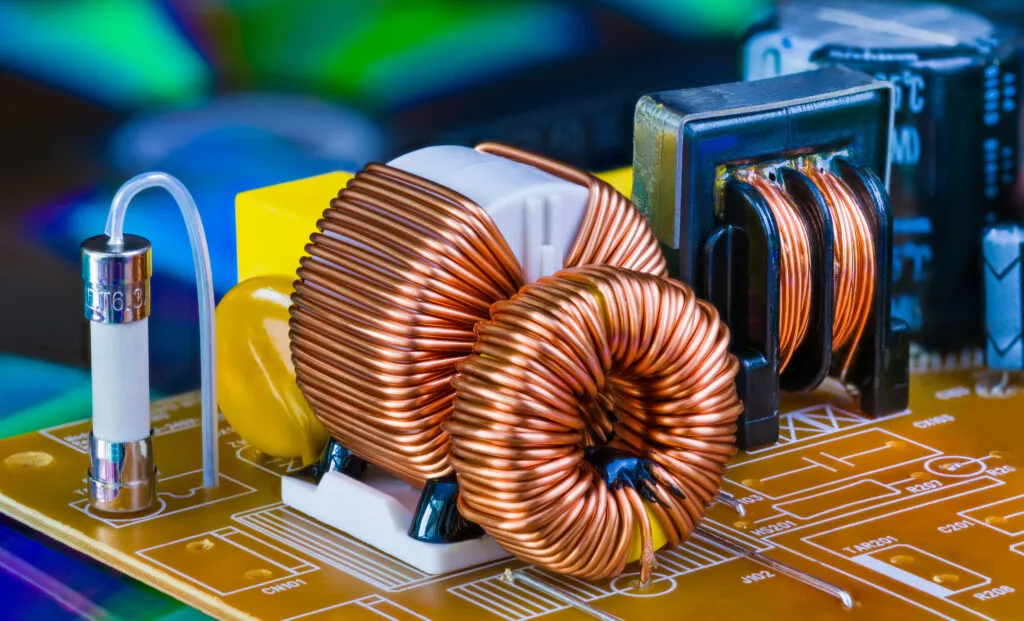
While custom magnetic components offer big advantages, they also come with unique challenges—and knowing how to navigate them makes all the difference.
Technical Trade-Offs: Custom doesn’t mean unlimited. You’ll need to balance cost, thermal limits, and regulatory requirements. For example, choosing a higher-performance material might improve efficiency but increase price or size. Understanding these trade-offs early helps avoid surprises down the line.
Collaboration Best Practices: A successful project starts with clear communication. Provide detailed specs, define performance goals, and be ready to share files or test data under a solid NDA. Most importantly, treat the design process as iterative—not one-and-done. Working closely with your magnetics supplier throughout prototyping and testing ensures you get a part that’s built right the first time.
Conclusion
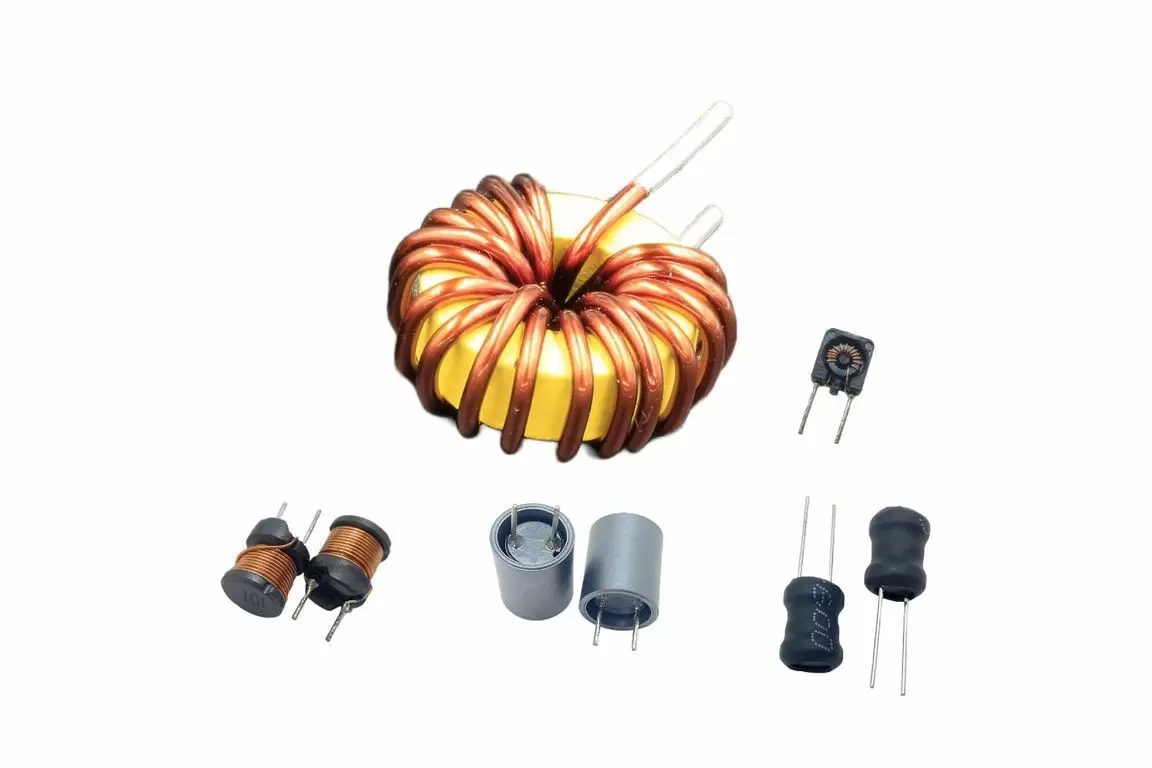
Custom magnetic components offer tailored performance, better fit, and long-term reliability across critical applications. By optimizing everything from materials to thermal design, they help you avoid compromises and build smarter systems.
Ready to improve your design with custom magnetics? Contact us today to discuss your specs, get expert support, and start prototyping.
FAQs About Custom Magnetic Components
1. What’s the typical lead time for custom magnetic components?
Lead time usually ranges from 4 to 10 weeks depending on complexity, prototyping needs, and material availability. Simple modifications may be faster, while advanced designs or certifications can take longer.
2. Are there minimum order quantities (MOQs) for custom magnetics?
Yes, many suppliers have MOQs to cover setup and tooling costs. Quantities vary but often start at 100–500 units. However, some companies offer small-batch prototyping for early-stage projects.
3. Can I modify a standard part instead of designing from scratch?
Absolutely. Many custom projects begin by tweaking an existing part—changing winding specs, adding shielding, or adjusting the core size. This is often faster and more cost-effective than full custom development.
 English
  Spanish
  Russian
  Italian
  German
  Chinese