


When we think about what makes electric motors and generators run efficiently, the winding material is often overlooked—but it’s one of the most critical components.

The right choice of material can significantly impact a motor’s energy efficiency, heat management, size, and weight. In industries where performance is everything—like electric vehicles, aerospace systems, and industrial machinery—even small improvements in winding material can lead to big gains in reliability and power output.
As technology evolves, so does the need for smarter, lighter, and more durable solutions. In this article, we’ll dive into the materials used for motor and generator windings and how each one plays a role in optimizing modern electric machines.
Materials Used in Motor and Generator Windings
There’s no one-size-fits-all material when it comes to winding motors and generators.
Each option has its own balance of conductivity, durability, weight, and cost—and understanding these trade-offs is key to choosing the right fit for your application.
1. Copper

Copper is the go-to material for motor windings thanks to its high conductivity and proven performance. Its heaviness and reduced efficiency at high frequencies, however, can limit its use in lightweight or high-speed systems.
2. Aluminum

Aluminum offers a lighter, more affordable alternative to copper, making it ideal for electric vehicles and portable devices. The trade-off is lower conductivity and a greater risk of corrosion and fatigue over time.
3. Silver

Silver is the most electrically conductive material, making it perfect for high-performance applications where efficiency is critical. Its high cost, though, limits its use to specialized sectors like aerospace and military.
4. Gold

Gold brings excellent corrosion resistance and long-term stability to the table, ideal for extreme or sensitive environments. It’s rarely used in motors due to its premium price and slightly lower conductivity than silver.
5. Carbon Nanotubes (CNTs)

Carbon nanotubes (CNTs) are extremely light, strong, and maintain good conductivity at high frequencies. Although they aren’t widely used yet due to cost, they show strong promise for next-generation motor designs.
6. Copper-CNT Hybrids

Hybrid wires made from copper and CNTs combine high conductivity with lightweight strength for better heat management and flexibility. They’re an excellent match for demanding, high-frequency environments like EVs or aerospace motors.
7. Iron-Cobalt Alloys

Iron-cobalt alloys deliver excellent magnetic performance and torque, enabling motors to run with higher power density. They’re often chosen for aerospace and defense applications where compact, powerful motors are essential.
Insulation Materials for Windings
Winding materials alone aren’t enough—insulation plays a major role in protecting motors from heat, moisture, and electrical stress. Let’s take a look at some of the most effective insulation options used today.
Flexible Insulation Films

Materials like PET films and DMD laminates are popular for their toughness and flexibility. They make it easier to insert insulation into tight motor spaces while offering strong corona resistance.
Resin Coatings

Resins such as epoxies, polyurethanes, and silicones form a protective barrier that boosts both thermal stability and environmental resistance. These coatings help motors last longer by shielding windings from heat, vibration, and contaminants.
High-Temperature Resins

Used in high-performance motors, high-temp resins ensure stable operation under intense heat and voltage. They’re especially valuable in electric vehicles and industrial applications where conditions are more demanding.
How to Choose the Right Winding Material
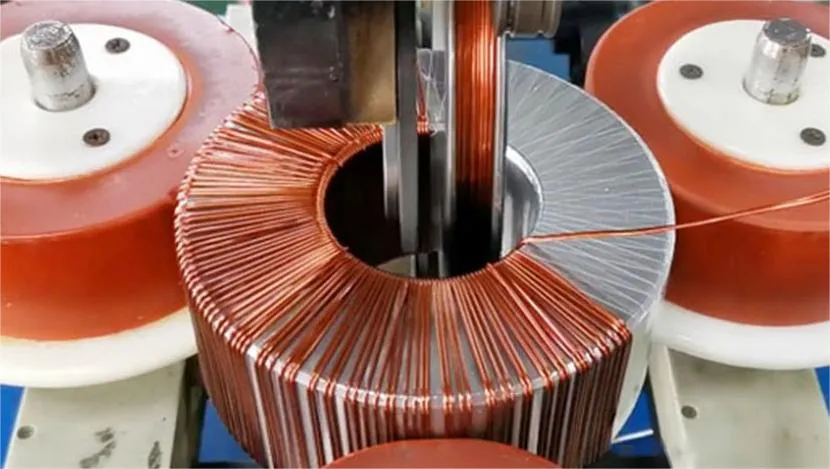
Choosing the right material depends on your motor’s performance needs, environment, and budget. Focus on factors like conductivity, heat resistance, strength, and weight.
For cost-sensitive projects, copper and aluminum are practical choices. In high-performance settings like EVs or aerospace, materials like CNTs, hybrids, or iron-cobalt alloys may offer better value.
Harsh environments call for thermal stability and durability. Match the material to your application for better efficiency, reliability, and lifespan.
FAQs
1. Are carbon nanotubes better than copper?
Carbon nanotubes (CNTs) are lighter and perform better at high frequencies, but they’re more expensive and not yet mainstream. For cutting-edge applications, they can outperform copper in terms of flexibility, heat resistance, and weight savings.
2. Can aluminum replace copper in windings?
Yes, but with trade-offs. Aluminum is cheaper and lighter than copper but has lower conductivity and is more prone to corrosion and fatigue, which can affect long-term motor performance if not properly designed.
3. Why is insulation important for windings?
Insulation protects windings from heat, moisture, and electrical stress. Using the right films or resins increases motor efficiency, safety, and lifespan, especially in demanding or high-voltage environments.
Conclusion

The materials used in motor and generator windings directly impact performance, efficiency, and reliability. From copper to cutting-edge carbon nanotubes, choosing the right combination ensures your system runs cooler, lasts longer, and performs better under pressure.
Explore your options and match materials to your application’s needs. For innovative, high-performance winding solutions, stay updated on emerging technologies and consult with experts when designing your next motor.

 English
  Spanish
  Russian
  Italian
  German
  Chinese