


Motor windings play a critical role in determining the performance and efficiency of an electric motor.
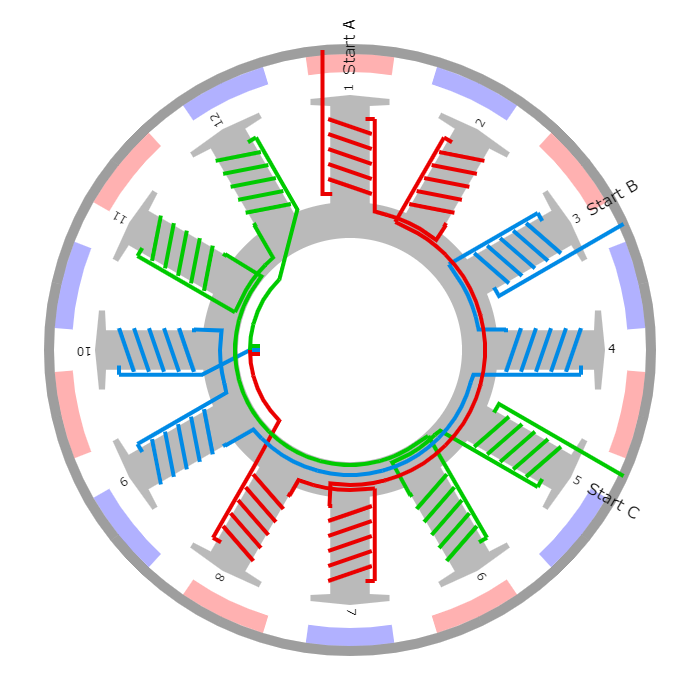
In this guide, we will discuss the importance of motor winding calculations and the materials used, along with practical steps to optimize motor design and maximize efficiency.
What is Motor Winding?
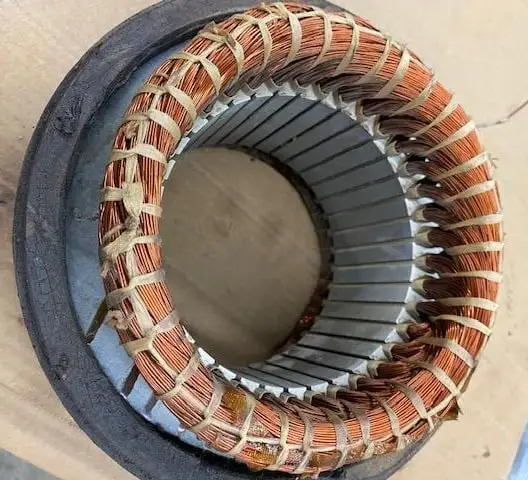
Motor windings are insulated wires wound around a core (usually laminated soft iron) to form a magnetic field that induces motion in the motor’s rotor.
The efficiency of a motor is largely determined by how these windings are designed and configured.
Key Motor Winding Materials

The choice of materials for motor windings directly affects motor performance and efficiency. Some of the most commonly used materials are:
Copper: The most widely used material due to its high conductivity and relatively low cost. Copper windings are generally more efficient but have a higher density, making them less ideal for lightweight applications.
Aluminum: Lighter than copper, but has lower conductivity, requiring larger wire cross-sections to achieve the same power output. It’s used in cost-effective designs and lightweight motors.
Silver: Known for its superior conductivity, silver is used in specialized, high-performance motors but is costly.
Carbon Nanotubes: Emerging as a promising alternative, offering superior strength, flexibility, and lighter weight than traditional materials. They can reduce Joule losses significantly.
Motor Winding Calculations
The efficiency and torque output of a motor depend heavily on the winding design.
Here are the key calculations and considerations:
Slot Fill
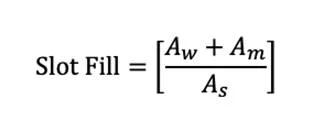
Slot fill refers to the total area occupied by the materials in the stator slot, including the motor winding wire, insulation, and wedges.
The more wire you can fit in the slot, the more torque the motor will produce.
Slot Fill Factor
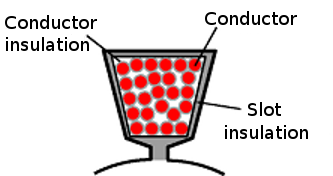
The slot fill factor is the ratio of the area occupied by the winding wire to the total available slot area.
A higher fill factor, ideally close to 1, results in better performance, though achieving this can be challenging in manufacturing.
Maximizing Torque Output
To maximize torque, designers need to ensure the slot is filled efficiently with wiring.
However, achieving a balance between manufacturability and optimal winding design is crucial to cost-effective motor production.
Conclusion
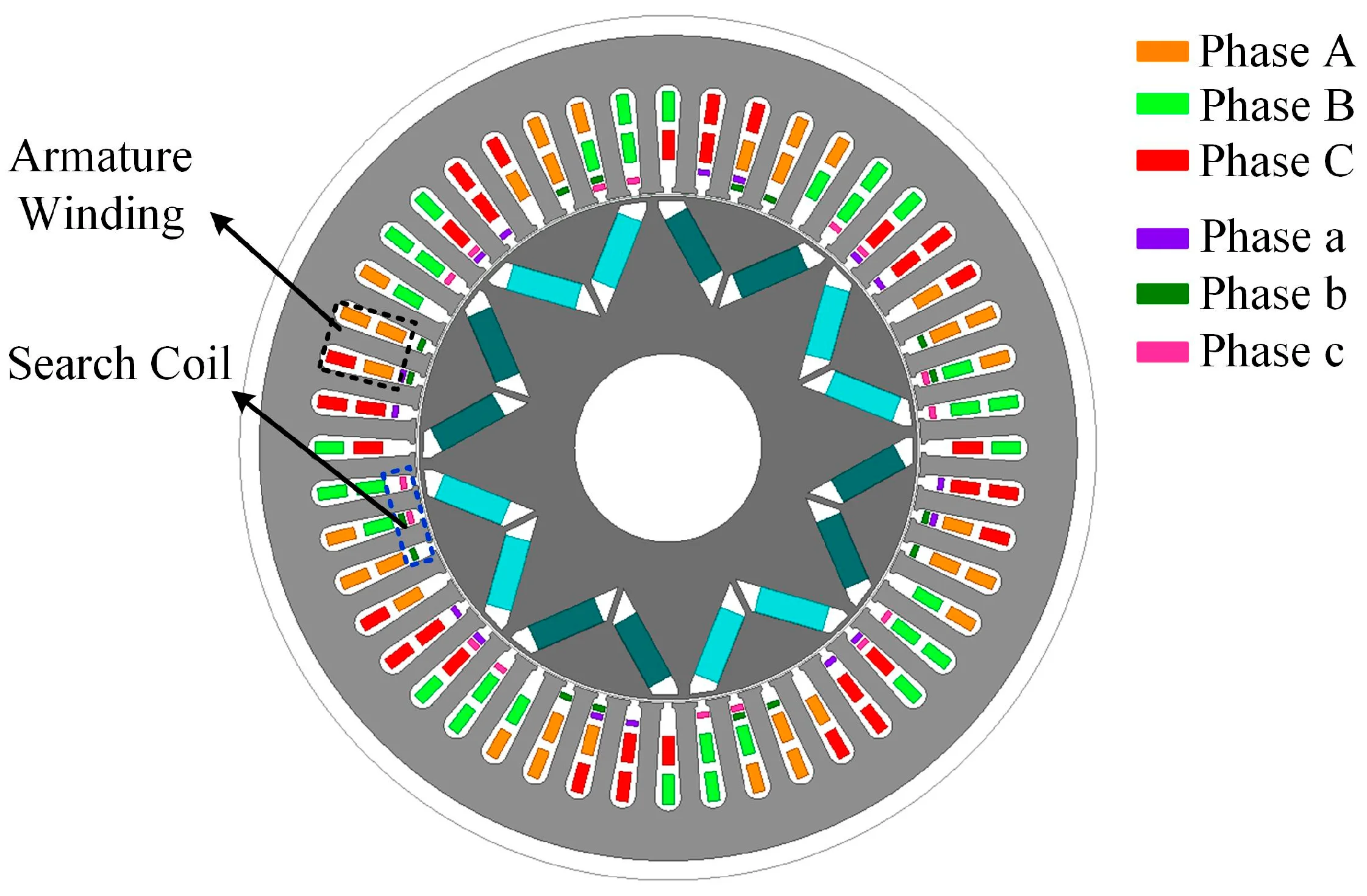
Motor winding calculations are essential for designing efficient and high-performing electric motors.
By selecting the right materials and optimizing slot fill, engineers can maximize motor torque and efficiency.
Whether you’re working on a high-performance motor or a cost-effective design, understanding these calculations will ensure better results.
FAQs on Motor Winding Calculation
1. How do you calculate motor winding resistance?
Motor winding resistance can be calculated using Ohm’s law:
Resistance (R) = Voltage (V) / Current (I)
For example, if the voltage across the motor winding is 10 volts and the current is 1 ampere, the resistance would be 10 ohms. This formula helps assess the winding’s electrical performance.
2. How do you determine motor windings?
To determine if motor windings are functioning correctly, use AC and DC measurements across the motor leads. If the measurements are balanced, the windings are healthy. If unbalanced, there may be a fault. Testing ensures proper performance and identifies potential issues like shorts or opens in the windings.

 English
  Spanish
  Russian
  Italian
  German
  Chinese