


Three-phase motors are essential for many industries, but when they malfunction, they can cause significant disruptions.

This guide will show you how to test and troubleshoot common issues in three-phase motors using practical, easy-to-follow methods.
What Is a Three-Phase Motor?
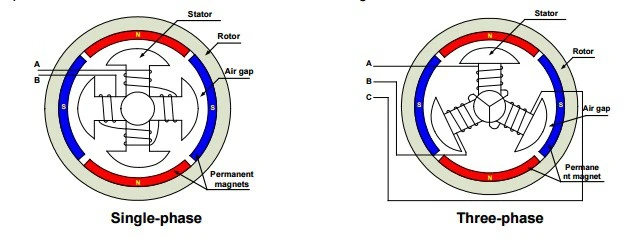
A three-phase motor uses three alternating currents to generate higher efficiency and torque compared to single-phase systems.
It consists of key components such as the stator, rotor, and windings, which work together to produce rotational motion.
These motors are commonly used in industrial and commercial equipment, including pumps, compressors, and conveyor systems.
Common Faults in Three-Phase Motors
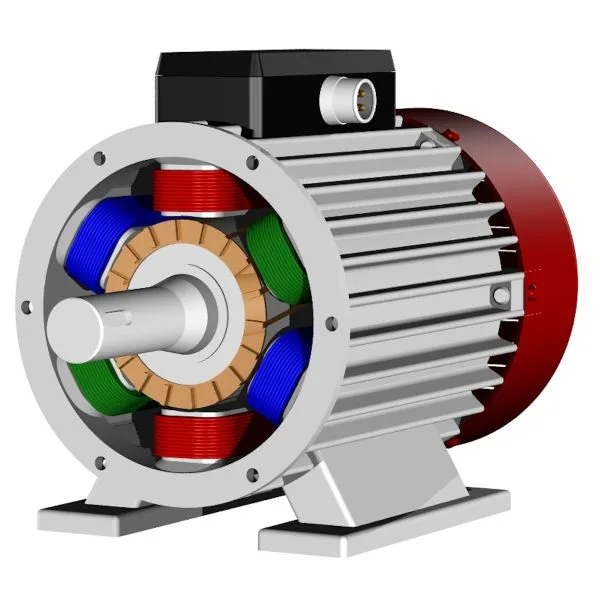
Three-phase motors can experience several issues that affect performance.
Here are the most common faults:
Winding Issues:
- Open Circuits: Prevents the motor from starting or causes it to run in single-phase mode.
- Short Circuits: Breakdown of insulation leads to excessive current flow, causing overheating and motor damage.
- Insulation Failure: Degradation of the winding insulation over time, reducing motor efficiency and leading to failure.
Connection Problems:
- Loose Connections: Can cause power imbalances, overheating, and inefficiency.
- Phase Imbalance: If one or more phases fail, it can cause damage and result in motor underperformance.
How to Test Your Three-Phase Motor
1. Visual Inspection
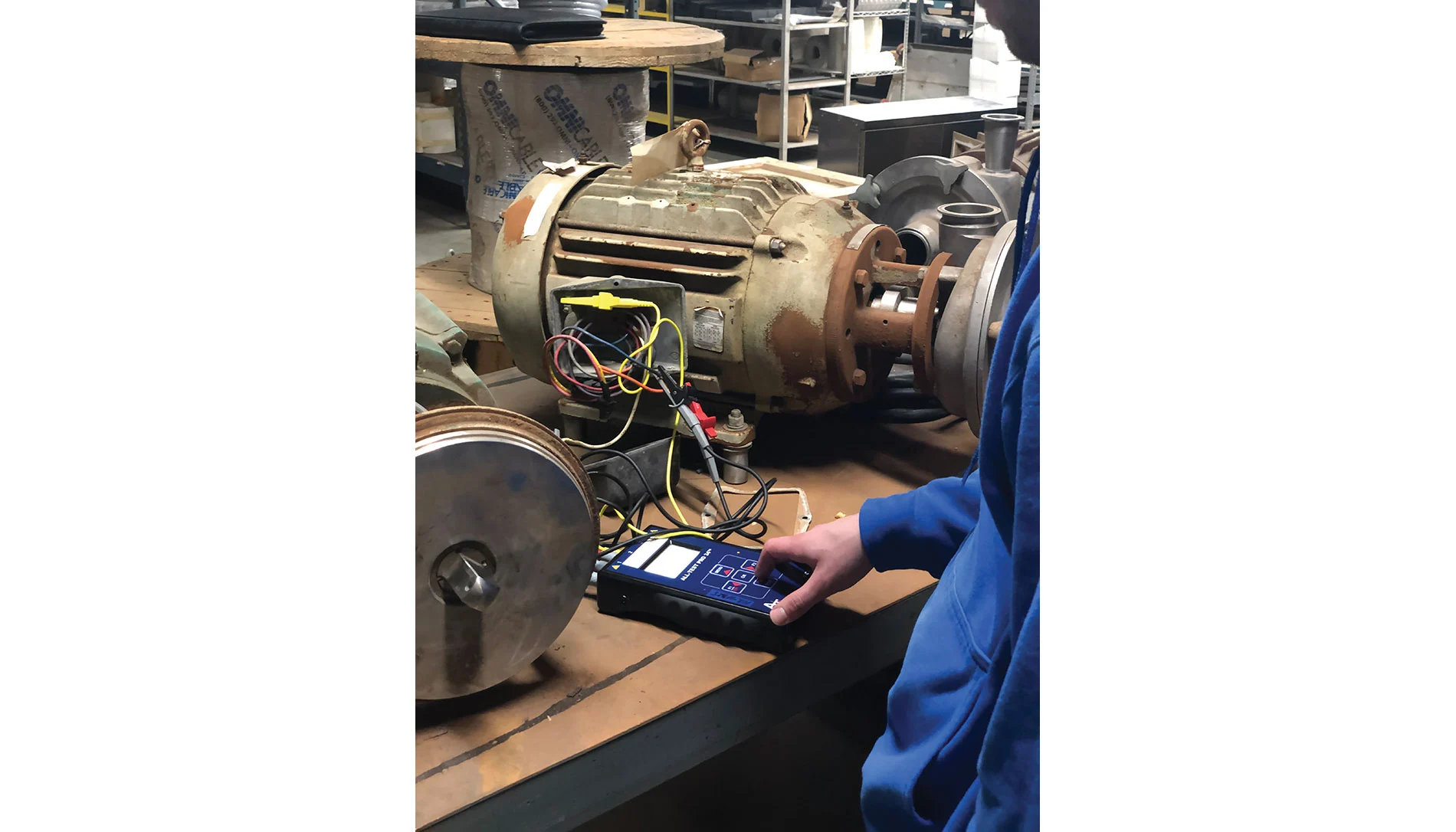
Start by checking for burn marks, damaged wiring, or any physical obstruction.
A quick visual scan can reveal signs of overheating, wear, or loose connections that may affect motor performance.
2. Electrical Testing
Power Supply Test
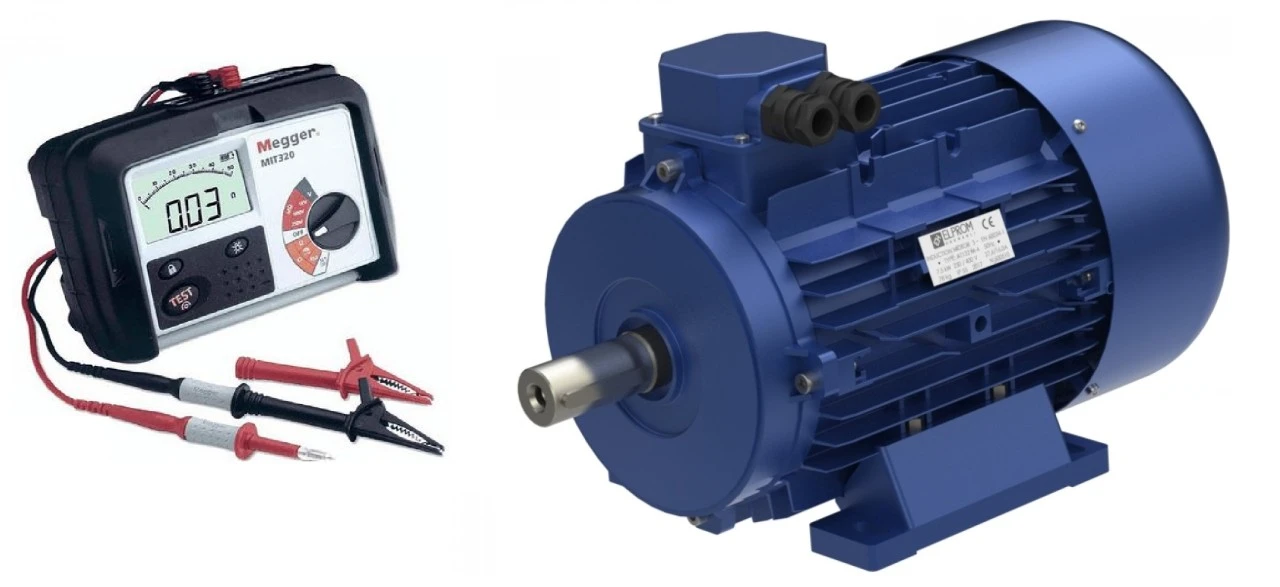
Use a multimeter to verify the motor is getting the correct voltage. Compare readings with the motor’s nameplate to confirm alignment with its design specs.Winding Continuity Test
Check resistance between each winding using a multimeter. If the readings are inconsistent or too high/low, it could signal an open or shorted winding.Insulation Resistance Test
Use a megohmmeter to test insulation between windings and the motor frame. Values below 1 MΩ usually indicate deteriorating insulation and potential safety risks.Running Amps Test
While the motor runs, measure current draw. A reading that’s too low or too high suggests the motor may be overloaded, underloaded, or experiencing internal faults.
Conclusion

Regular testing and maintenance help keep your three-phase motors running efficiently and reduce the risk of unexpected failures.
Need expert help? Contact us for reliable motor testing and support. Our team is here to keep your equipment performing at its best.


 English
  Spanish
  Russian
  Italian
  German
  Chinese