


Transformer insulation is more than a protective layer—it is the core system that keeps a transformer operating safely and reliably. It combines solid insulation materials, such as paper, pressboard, and aramid, with liquid insulating oils like mineral oil or esters. Together, they provide electrical insulation, mechanical support, and efficient heat dissipation inside the transformer.
Transformer Insulation Basics
A transformer insulation system combines both solid and liquid insulation materials, and each plays an important role. Together, they provide electrical insulation, mechanical support, and reliable protection for safe transformer operation.
Solid insulation

Solid transformer insulation includes Kraft paper, pressboard, and aramid fibers. These insulation materials support the transformer structure, separate the windings, and withstand electrical stress. Among them, aramid fibers are widely used in high-performance transformers for their excellent heat resistance and mechanical strength.
Liquid insulation

Liquid insulation surrounds the solid insulation materials, filling internal gaps and helping transfer heat away from the transformer. Mineral oil remains the most common choice, while natural esters, synthetic esters, and silicone fluids are becoming more popular for their improved fire safety and environmental performance.
Transformer Insulation Materials

Cellulose (Kraft/Pressboard)
Cellulose insulation materials, such as Kraft paper and pressboard, are widely used in transformer insulation because they are cost-effective, easy to process, and readily available. However, they are sensitive to moisture, so proper moisture control is essential to maintain insulation performance and extend transformer service life.
Thermally Upgraded Cellulose
Thermally upgraded cellulose is specially treated to handle higher operating temperatures. Compared with standard Kraft paper, it offers better aging resistance, helping transformers operate at higher temperatures or achieve a longer service life under the same load.
Aramid Fibers (Nomex®)

Aramid insulation (Nomex®) offers excellent heat resistance and mechanical strength. Although more expensive than cellulose insulation, it is ideal for high-stress transformer insulation applications that require long service life and higher safety margins.
Dielectric Liquids

Liquid insulation is just as important as solid transformer insulation for safe and reliable transformer operation.
Mineral Oil – The most common transformer insulating oil, offering excellent dielectric performance and low cost, but with lower environmental sustainability.
Esters (Natural or Synthetic) – Eco-friendly, high fire point, and better moisture tolerance—growing in popularity for renewable and urban applications.
Silicone Fluids – A transformer insulating fluid designed for high-temperature applications, offering excellent stability but at a higher cost.
Thermal Classes in Transformer Insulation

| Class | Max Temperature (°C) | Typical Materials | Applications / Notes |
|---|---|---|---|
| A | 105 | Cotton, silk, untreated cellulose (Kraft, pressboard) | Legacy designs; lower thermal endurance; moisture sensitive |
| B | 130 | Improved cellulose, mica, varnish systems | Moderate duty; longer life than Class A |
| F | 155 | Polyester films, epoxy resins, glass fiber | Common in modern medium-duty transformers |
| H | 180 | Silicone resins, high-temp composites, glass fiber | High-load/industrial; harsh environments |
| 200+ (N, R) | 200–220 | Aramid (Nomex®), polyimide, advanced laminates | Extreme conditions; compact/high power density designs |
Transformer insulation is rated by thermal class, which defines the maximum safe temperature the insulation system can handle. These classes are standardized by IEC 60085 and directly influence transformer life and reliability.
Class A (105 °C) – Traditional materials like cotton, silk, or untreated cellulose. Common in older designs, with limited thermal endurance.
Class B (130 °C) – Improved cellulose or mica-based systems, offering better heat tolerance and longer life.
Class F (155 °C) – Polyester films, epoxy resins, or glass fiber systems, used in modern medium-duty designs.
Class H (180 °C) – Silicone resins and high-temperature composites, ideal for demanding industrial or high-load applications.
Class 200+ (N, R, etc.) – Advanced aramid and polyimide systems, designed for extreme conditions and extended service life.
A simple rule is that every 10°C increase above the rated hot-spot temperature can reduce transformer insulation life by half. Choosing the right thermal class helps improve safety, performance, and transformer service life.
Engineers use these thermal classes to select the right transformer insulation, helping transformers operate safely and reliably for decades under expected loads and operating conditions.
Insulation Coordination & Dielectric Tests

In transformers, insulation coordination is about matching the insulation system to the electrical stresses it will face during service. This ensures that the insulation can handle both everyday operating voltages and rare but severe events like surges or lightning strikes. Global standards such as IEC 60076-3 and their IEEE/ANSI equivalents define how this is tested and verified.
Key dielectric tests include:
AC Withstand Test – Applies a higher-than-normal AC voltage to confirm that the insulation can resist stress without breakdown.
Induced Test – Doubles the operating frequency to test winding insulation under high voltage stress, ensuring no weak points exist.
Lightning Impulse Test – Simulates a real lightning strike or switching surge, verifying that the transformer can survive transient overvoltages.
Partial Discharge (PD) Test – Detects tiny discharges inside insulation before they grow into major faults, providing an early-warning tool for defects.
Together, these tests verify dielectric strength and transformer insulation performance, ensuring safe, reliable operation throughout the transformer’s service life.
Transformer Insulation Aging

Heat breaks down cellulose paper fibers, reducing mechanical strength and transformer insulation life. Oxygen speeds oxidation, while moisture lowers dielectric strength, increasing the risk of insulation failure.
Transformer Insulation Testing

Regular insulation tests help keep transformer insulation in good condition and support safe, reliable operation:
Dissolved Gas Analysis (DGA): Detects gases from transformer insulation aging, helping identify overheating or partial discharge early.
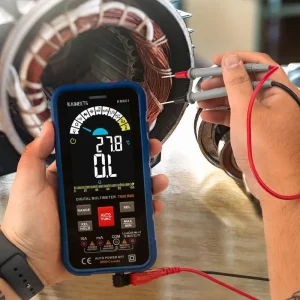
Power Factor (tan δ), Insulation Resistance& Polarization Index (PI) – Measure insulation condition, dielectric loss, and moisture levels.
Dielectric Frequency Response (DFR): Evaluates moisture in paper transformer insulation for more accurate aging assessment.
Partial Discharge (PD) Monitoring: Detects small insulation faults before they develop into major failures.
Conclusion

A reliable transformer insulation system starts with the right materials, regular monitoring, and proper maintenance, helping improve safety, efficiency, and transformer service life.
Whether you’re designing, upgrading, or sourcing transformers, our team can help you choose the right transformer insulation solution with expert support for your application.
Contact us today to find the right transformer insulation solution for your project and improve transformer safety, reliability, and efficiency.
FAQs About Transformer Insulation
1. What is transformer insulation?
Transformer insulation includes solid and liquid insulation materials, such as paper, pressboard, mineral oil, and esters. They separate electrical parts, prevent short circuits, manage heat, and ensure safe operation.
2. Which insulation class is best for transformers?
It depends on the application. Class F (155°C) and Class H (180°C) offer higher heat resistance and longer service life than Class A (105°C) or Class B (130°C).
3. Can you test a transformer with a megger?
Yes. A megger performs an insulation resistance (IR) test to check transformer insulation and help detect moisture, contamination, or insulation aging.
4. What is the most common transformer insulating liquid?
Mineral oil is the most widely used transformer insulating oil because of its excellent dielectric performance and low cost. Natural esters are also becoming popular for better fire safety and environmental benefits.
 English
  Spanish
  Russian
  Italian
  German
  Chinese