


The stator is a key component in electric motors and generators, playing a crucial role in how machines convert energy.
It’s responsible for creating the magnetic field that powers motion or generates electricity—making it vital in industries like transportation, power generation, and industrial automation.

In this guide, we’ll explore how stators work, what they’re made of, the different types, and the latest design innovations.
What Is a Stator?
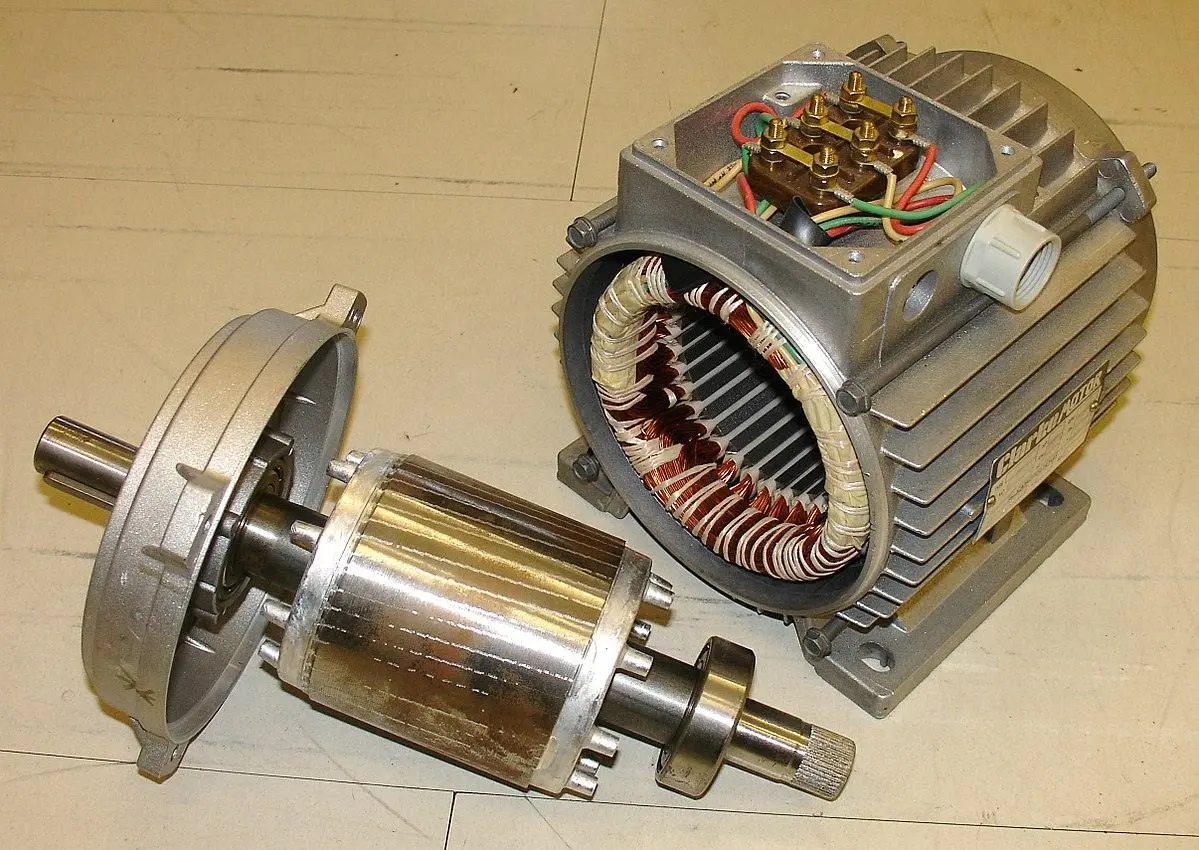
A stator is the stationary part of an electric motor or generator that creates a rotating magnetic field when energized.
It works hand in hand with the rotor to convert electrical energy into mechanical energy, or vice versa, depending on whether it’s used in a motor, generator, EV, or industrial machine.
Key Components of a Stator
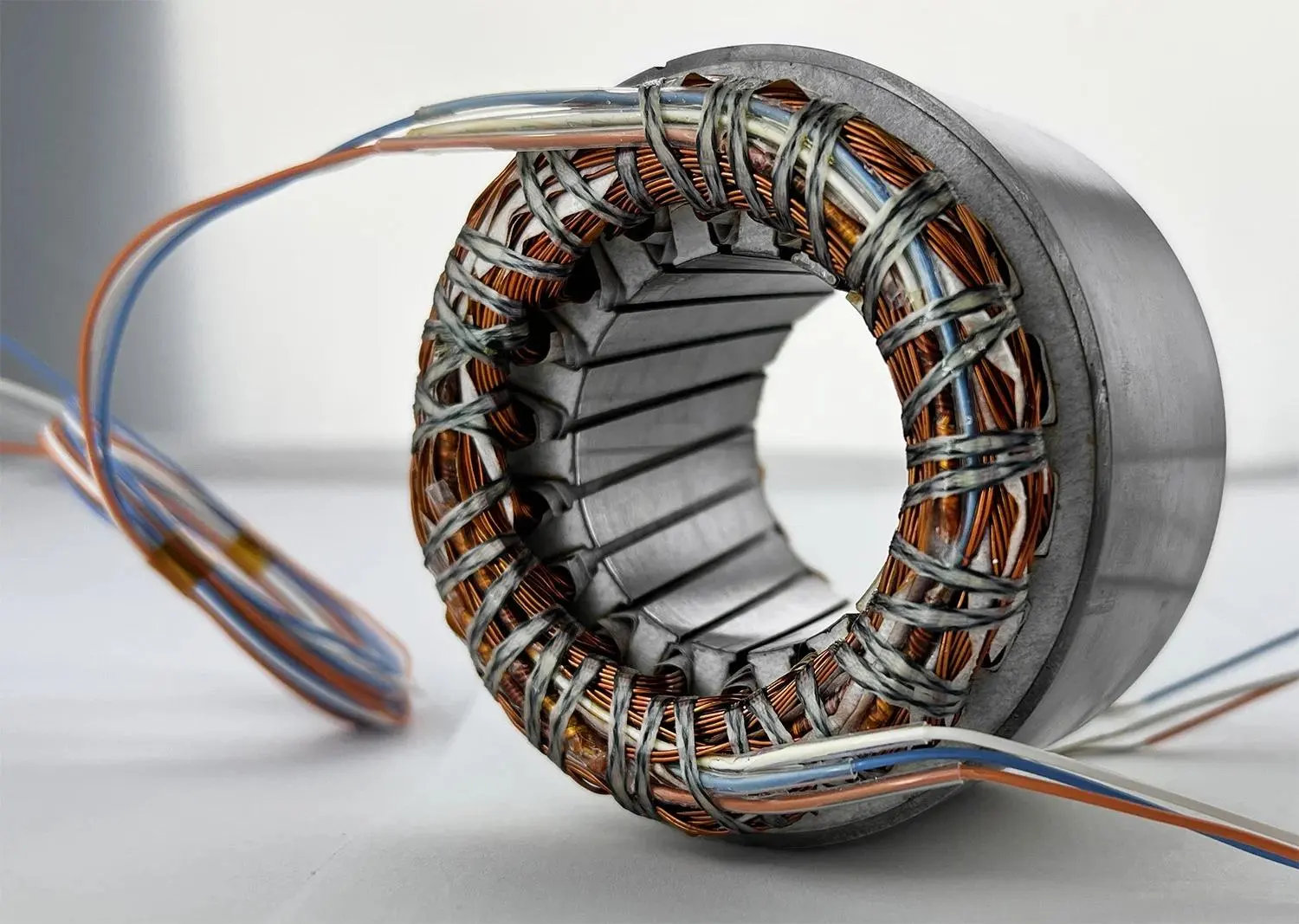
The stator may be stationary, but its internal structure plays a dynamic role in ensuring efficient motor operation.
It’s composed of three essential parts: the core, the windings, and the frame—each with its own specific job.
- Stator Core: The stator core is made from laminated silicon steel sheets stacked to form a magnetic circuit. These laminations help reduce eddy current losses, improving efficiency and enhancing the flow of magnetic energy.
- Windings: Windings are coils of insulated copper or aluminum wire carefully arranged around the core. They carry electric current to generate the magnetic field, and may be single-phase or three-phase, depending on the application.
- Frame: The frame is a sturdy outer casing, usually made from cast iron or steel, that holds everything in place. It also supports the rotor via bearings and aids in mechanical stability and heat dissipation.
How a Stator Works
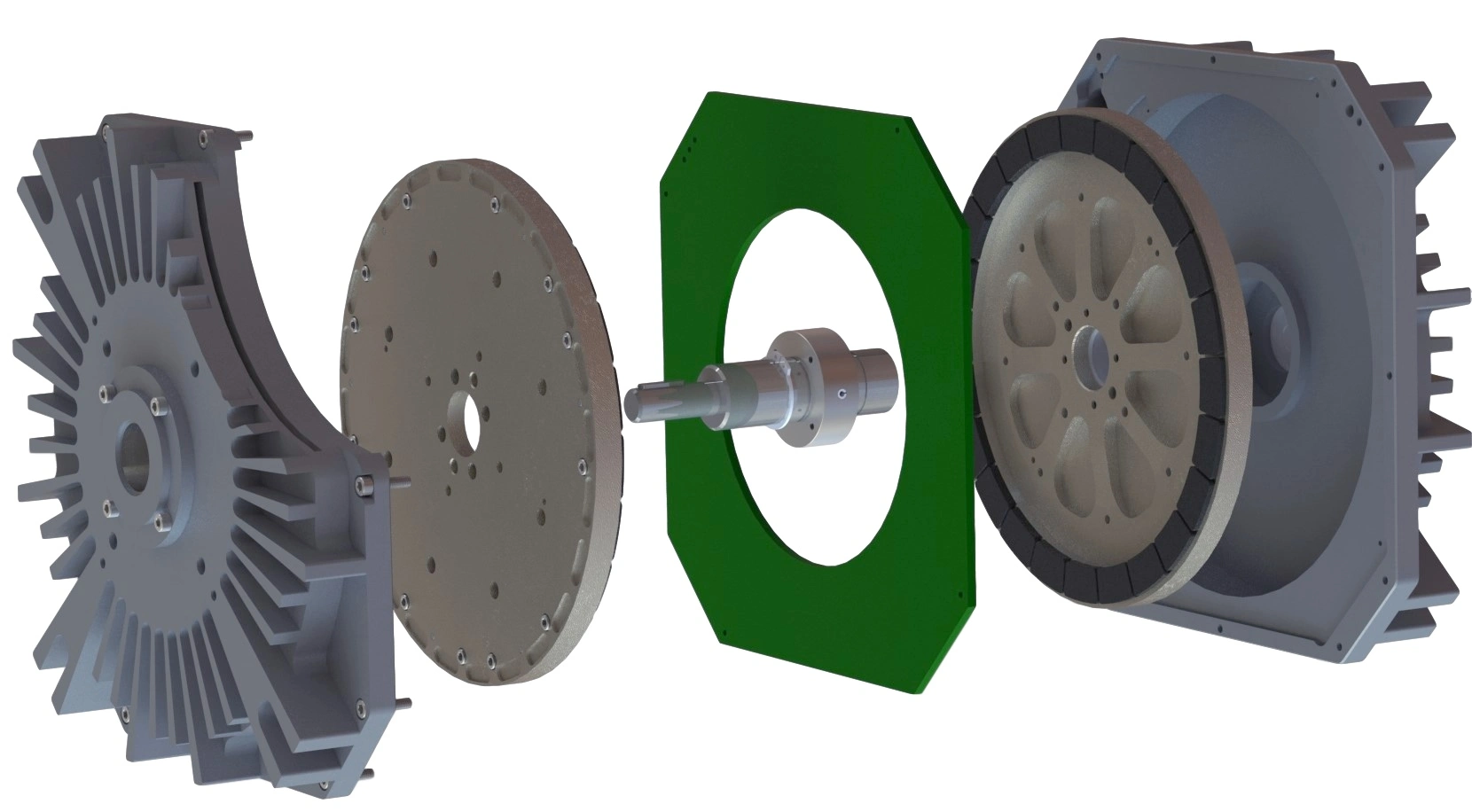
A stator works based on Faraday’s Law of Electromagnetic Induction, which states that a changing magnetic field can induce voltage in a conductor.
In motor mode, AC current flows through the stator windings to create a rotating magnetic field, which pushes the rotor into motion.
In generator mode, the rotor spins and its movement within the stator’s magnetic field induces a voltage—allowing mechanical energy to be converted back into electricity.
Stator vs. Rotor: What’s the Difference?
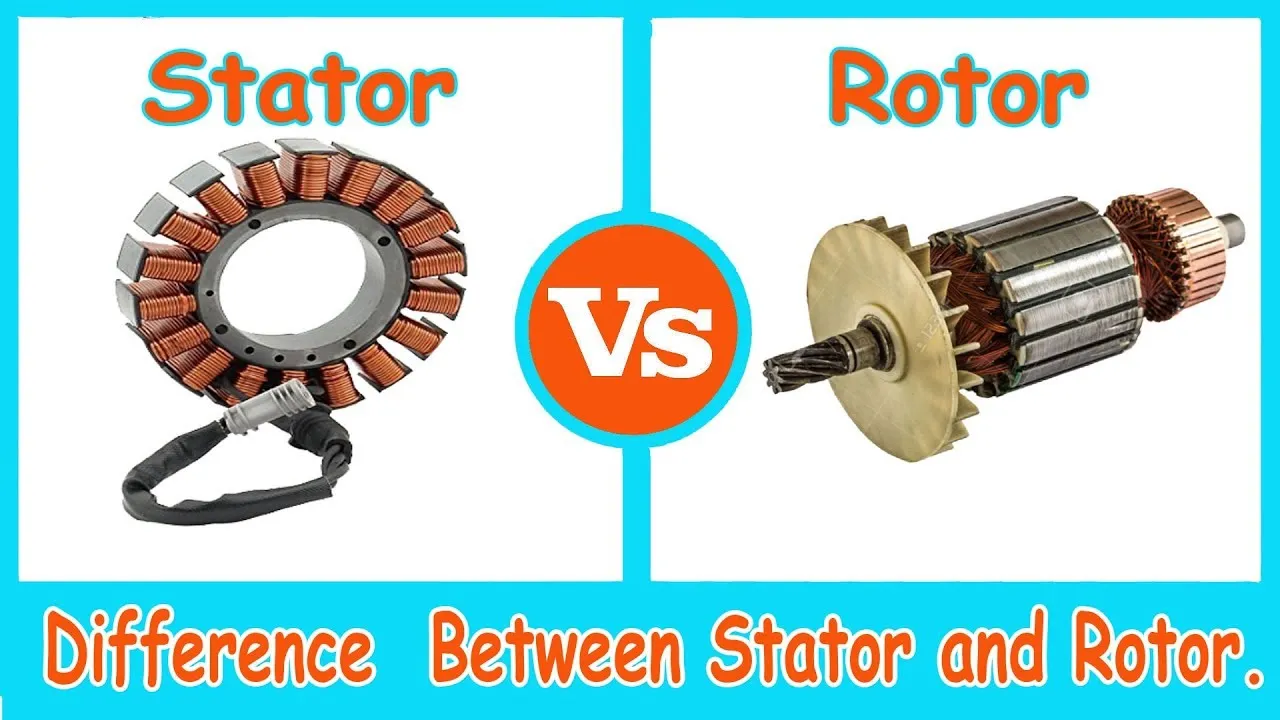
While the stator and rotor work closely together, they serve very different roles inside a motor or generator. The stator stays fixed and produces the rotating magnetic field, while the rotor spins in response to that field, creating motion or generating power. The stator typically features better cooling, a more complex structure, and handles higher voltages, making it more robust in design.
Meanwhile, the rotor is optimized for movement and is subject to different mechanical stresses. Their differences also extend to insulation, layout, and maintenance requirements, but together, they form the heart of any energy conversion system.
Types of Stators
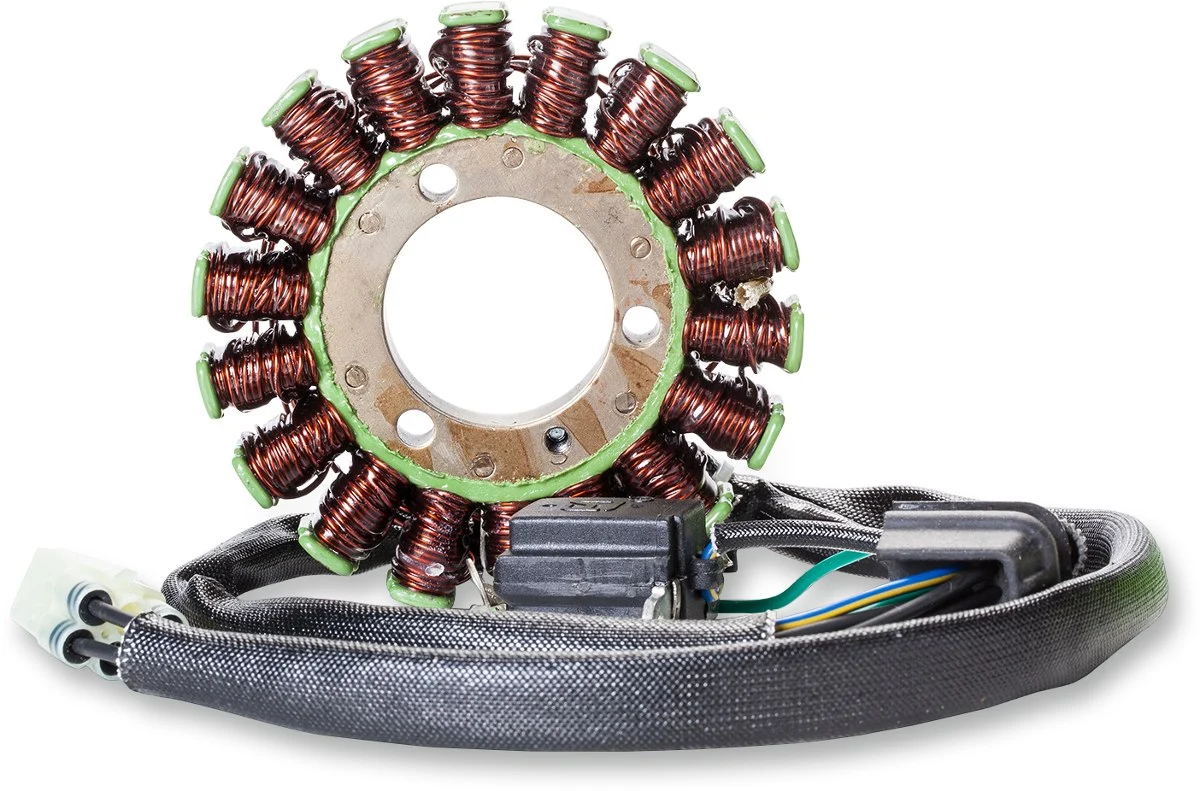
Stators come in several types, each designed to suit specific motor needs, speeds, and power levels. Understanding the differences can help you match the right stator to your application.
1. By Construction
Salient pole stators have protruding poles and are used in low-speed machines, such as hydroelectric generators.
Cylindrical stators, with a smooth surface, are ideal for high-speed motors and operate with less noise and vibration.
2. By Winding Arrangement
Concentrated windings are tightly grouped, delivering high torque but with a bit more vibration.
Distributed windings are spread out more evenly, creating a balanced magnetic field and smoother operation.
3. By Phase Type
Single-phase stators are common in everyday items like fans, pumps, and small home appliances.
Three-phase stators are the go-to for industrial motors and electric vehicles that need higher power and efficiency.
4. Specialty Stators
Some stators use advanced materials like amorphous metal or nanocrystalline alloys to minimize losses, or feature pole-changing designs for adjustable speeds.
These are often found in energy-efficient or high-performance machines.
Technological Advancements in Stator Design
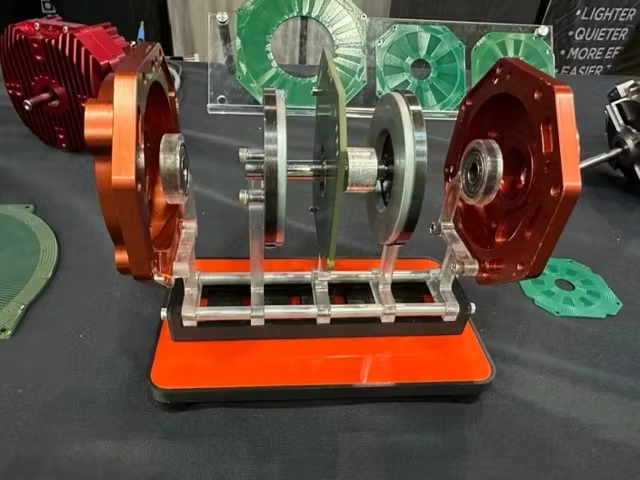
Innovations in materials, manufacturing, and cooling have made stators more efficient, compact, and reliable than ever before.
- Materials: Amorphous steel reduces core losses, making motors more energy-efficient.
Nanocrystalline alloys perform exceptionally well in high-frequency applications.
Composite materials offer lightweight strength, ideal for electric vehicles and aerospace use. - Manufacturing: 3D printing allows for the creation of complex stator shapes with precision.
Automated winding improves coil placement accuracy and reduces production costs. - Cooling Systems: Modern stators use enhanced air sinks, liquid cooling, and PCMs to manage heat.
These cooling methods help prevent overheating and insulation damage, especially in high-demand environments.
Applications of Stators
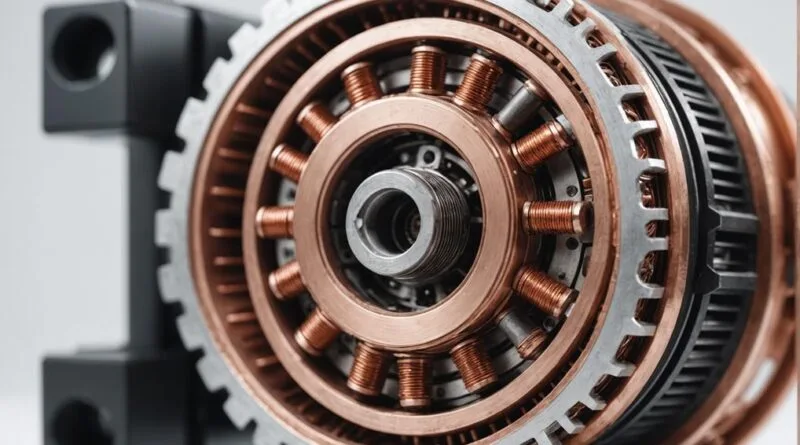
Stators are used across many industries, and their design plays a key role in ensuring reliable energy conversion and system performance.
Electric Vehicles (EVs)
Stators in EV motors generate torque and directly influence the vehicle’s range, power, and efficiency.
Industrial Machinery
They drive machines like compressors, pumps, and fans, with their design affecting speed, energy use, and reliability.
Renewable Energy Systems
Stators in wind turbines and hydro generators help maximize energy output and maintain stable, long-term operation.
Common Stator Issues and Maintenance
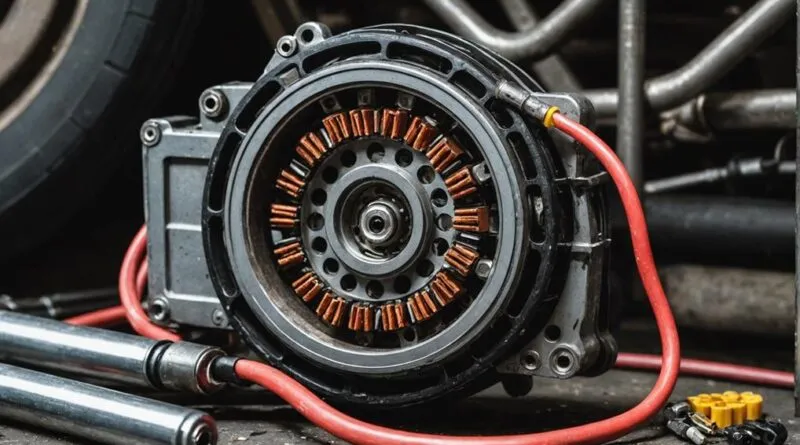
Like any critical component, the stator can face wear and tear over time—but with the right care, you can keep it running efficiently for years.
#Common Problems
Overheating is a frequent issue caused by poor cooling or excessive current, which can lead to serious damage.
Insulation failure often results from thermal stress or electrical overload, increasing the risk of short circuits.
Mechanical wear from vibration or misalignment can reduce performance and lead to unexpected breakdowns.
#Preventive Measures
Regular inspection and cleaning help remove dust and debris that can affect airflow and heat dissipation.
Temperature and vibration monitoring can catch early signs of trouble before they become major issues.
Insulation resistance testing ensures the windings remain safe and effective under voltage stress.
Using high-quality materials and proper lubrication further extends the stator’s lifespan and boosts overall reliability.
Conclusion
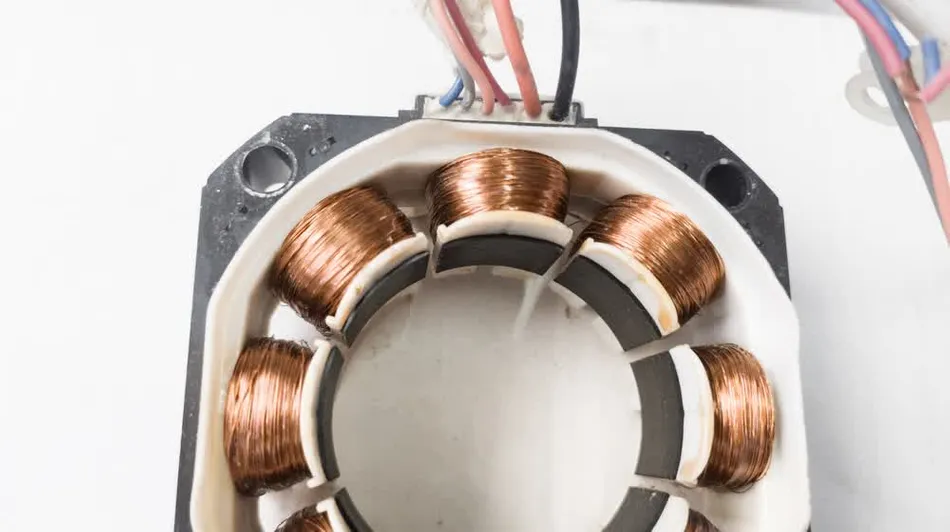
The stator is the silent force behind electric motors and generators, driving energy conversion with precision and efficiency. From EVs to wind turbines, its design, materials, and maintenance all impact performance and longevity.
Want to keep your systems running smoothly? Choose quality components, perform regular maintenance, and stay updated with the latest stator technologies.
FAQs
1. What causes a stator to fail?
Common causes include overheating, insulation breakdown, and mechanical wear from vibration or poor alignment.
2. Can a stator be repaired?
Yes, stators can often be rewound or refurbished, depending on the severity of the damage and cost-effectiveness.

 English
  Spanish
  Russian
  Italian
  German
  Chinese